Coworking Spaces in Transition: From Assigned Desks to Flexible Work Communities

Coworking Spaces in Transition: From Assigned Desks to Flexible Work Communities
Coworking spaces across the United States have undergone a remarkable transformation in recent years. Once known for fixed desks and long-term leases, they have evolved into dynamic environments that reflect a new era of hybrid work, entrepreneurship, and professional mobility. Flexibility, community, and well-being have become the defining features of the modern workplace.
From Assigned Desks to Fluid Work Environments
As remote and hybrid work models have become the norm, the need for permanent office setups has shifted. Many companies now choose coworking spaces that allow employees to come and go as needed. This approach offers financial flexibility and the ability to scale up or down depending on team size and project demands.
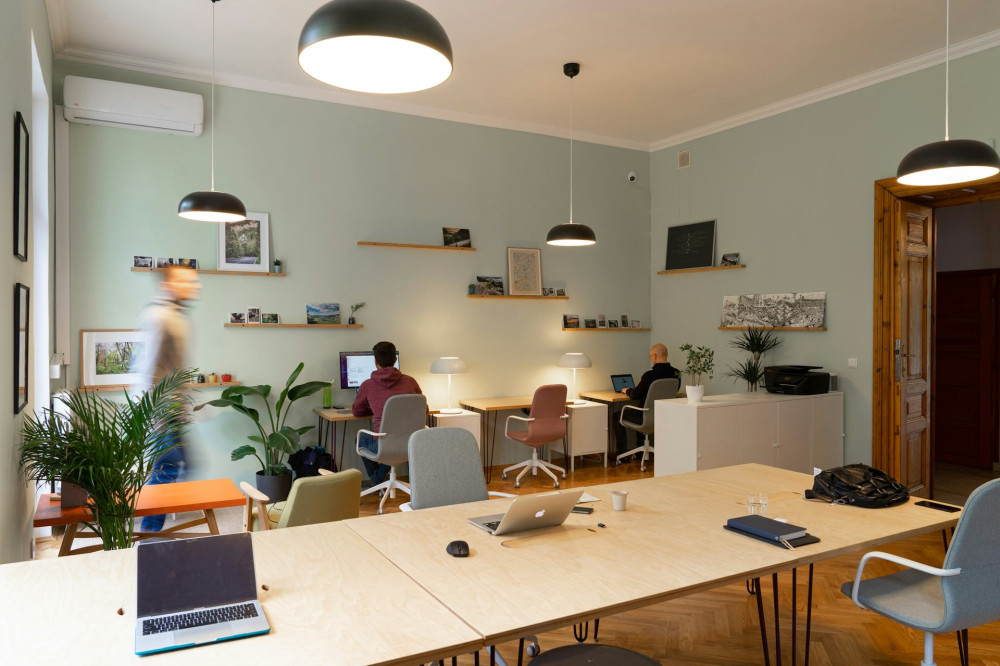
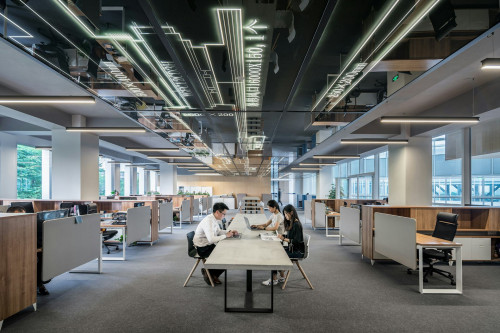
Traditional assigned desks have often been replaced by “hot desks” — workstations that can be reserved daily or weekly. This system requires new forms of organization but also fosters a more dynamic workday, where people encounter different colleagues, ideas, and opportunities for collaboration.
Læs også:

Community as a Driving Force
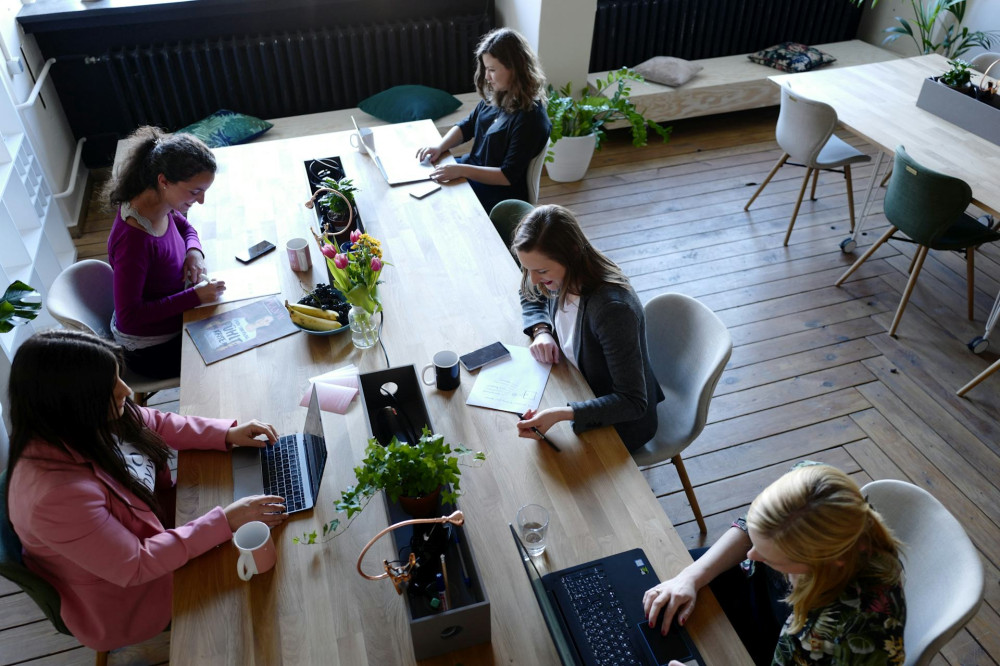
While flexibility is key, the social dimension remains one of the main reasons professionals choose coworking spaces. For freelancers, remote workers, and small business owners, working from home can be isolating. Coworking communities offer not only a place to work but also a network for support, inspiration, and professional growth.
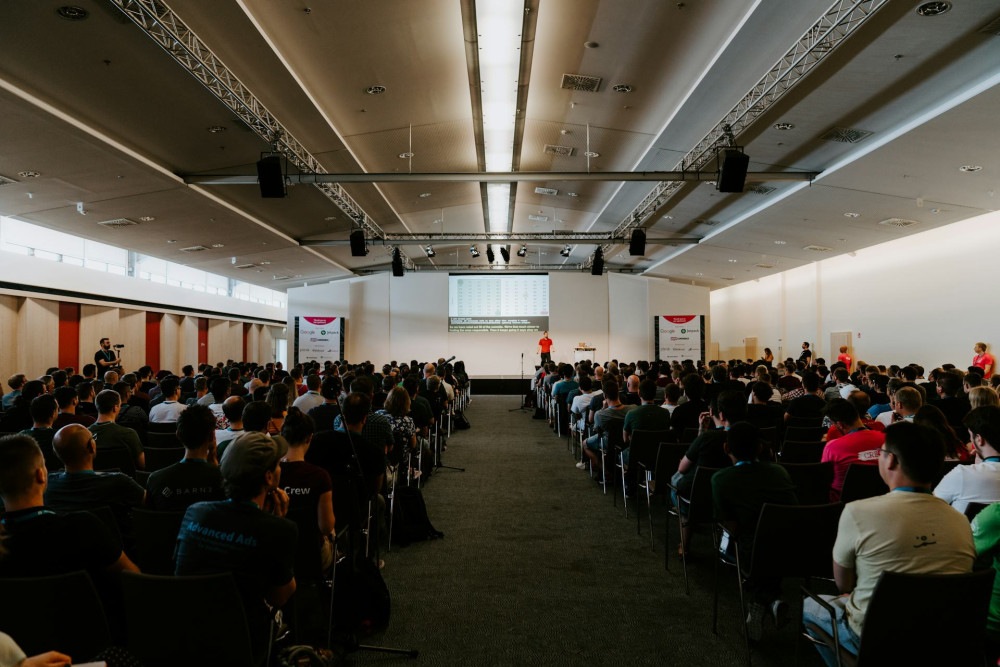
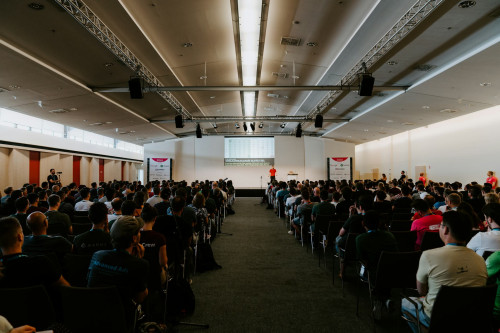
Many coworking spaces host community lunches, networking events, or skill-sharing workshops that strengthen relationships and create a sense of belonging. These interactions often lead to new partnerships, clients, and creative projects — turning the workspace into a hub of innovation and connection.
Design and Well-Being at the Center
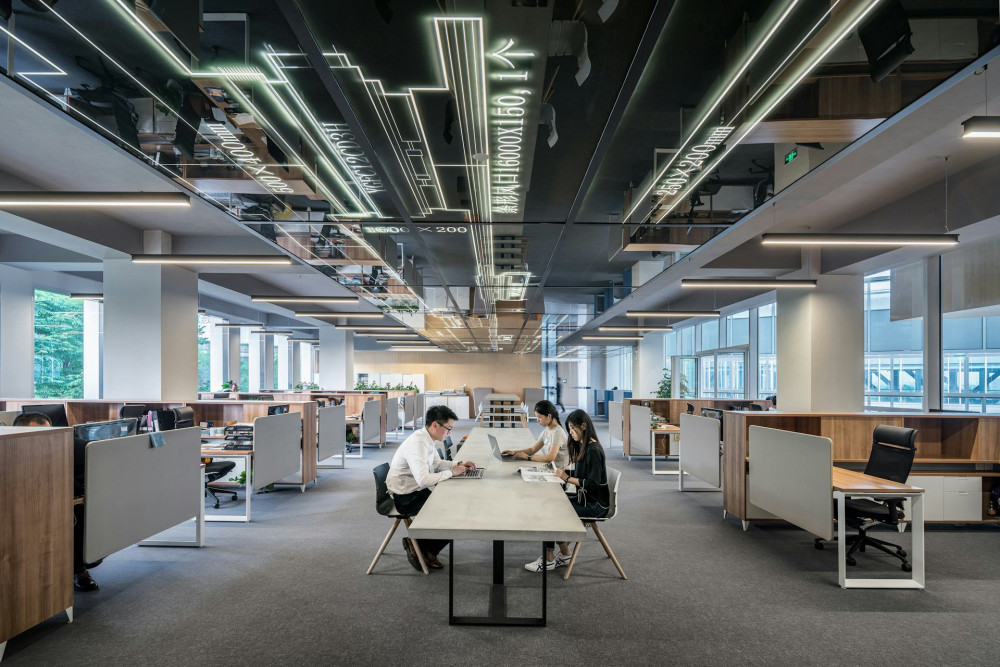
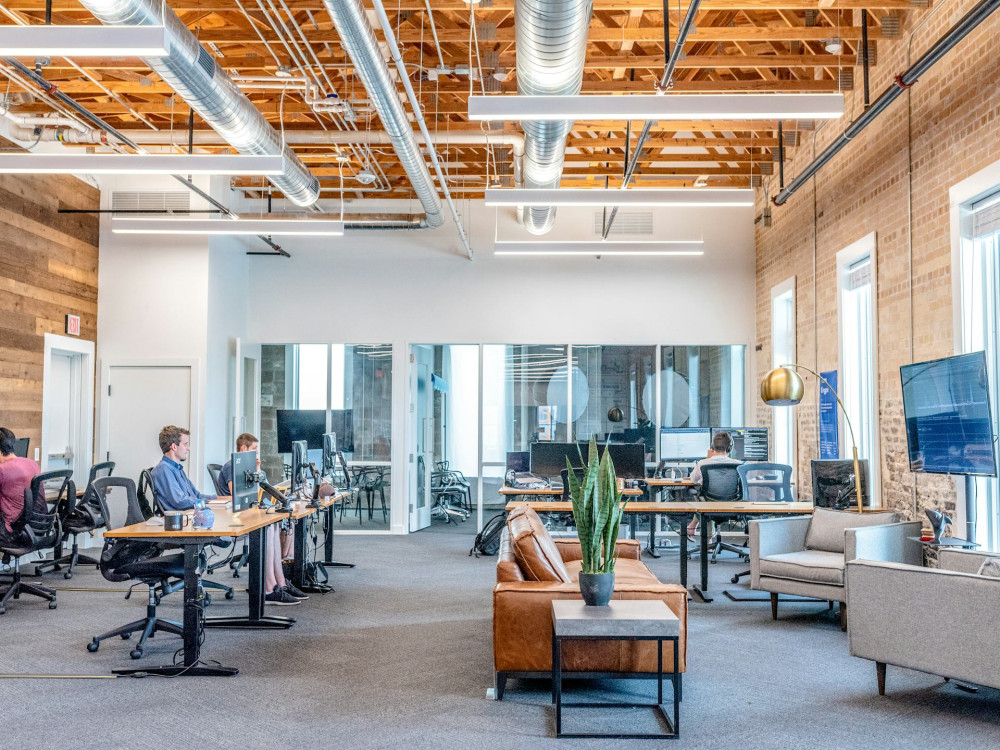
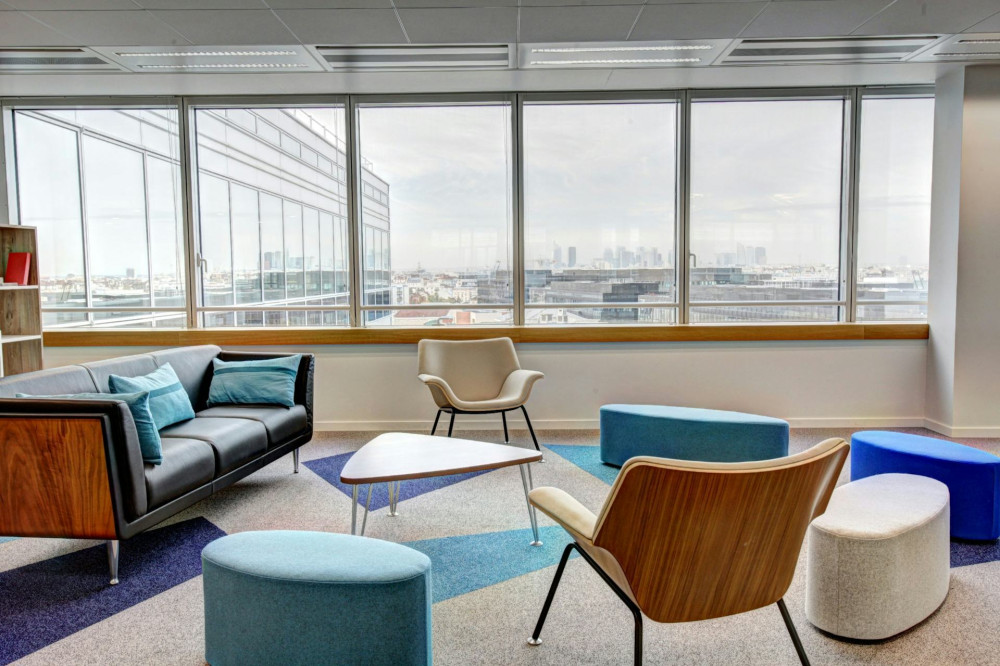
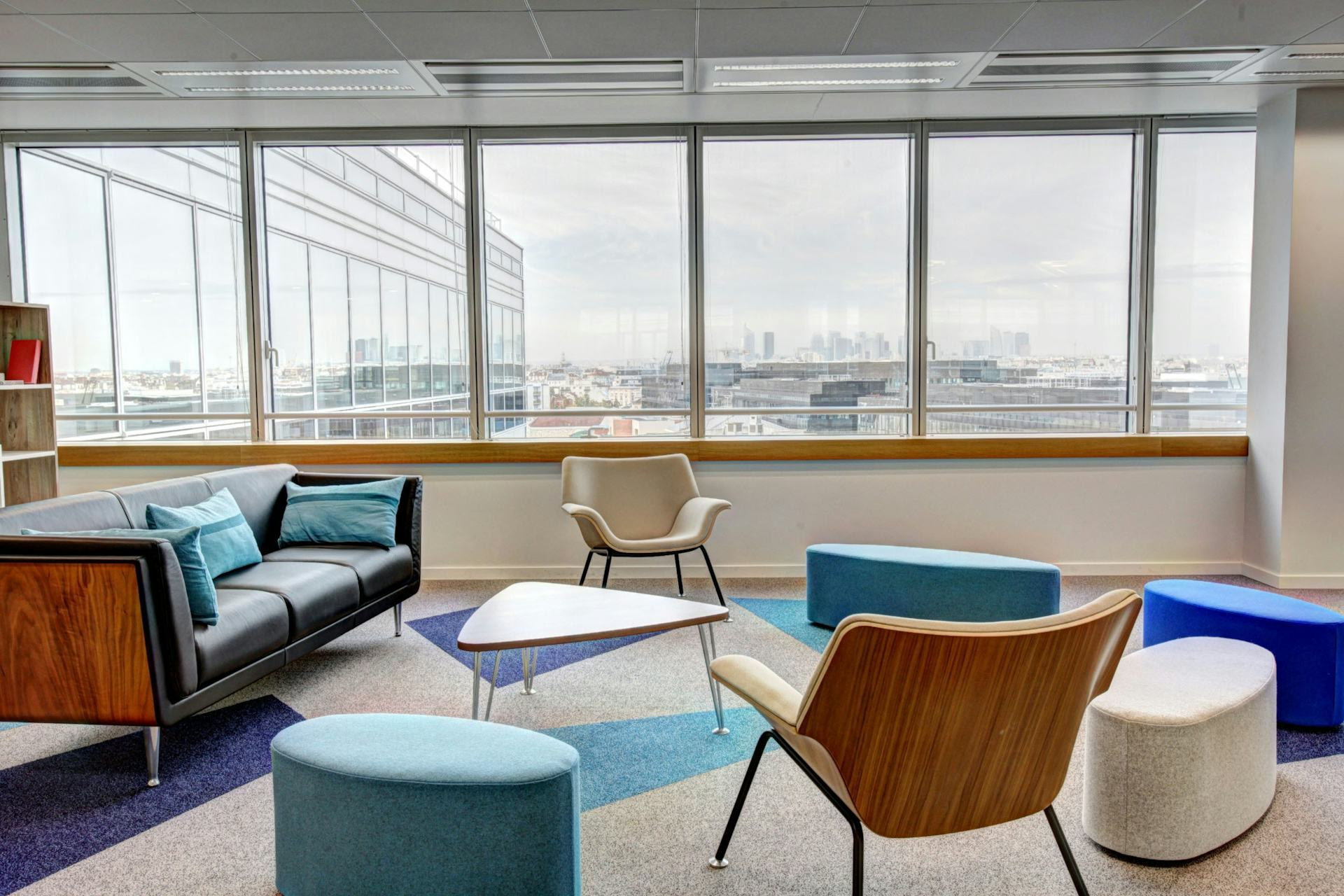
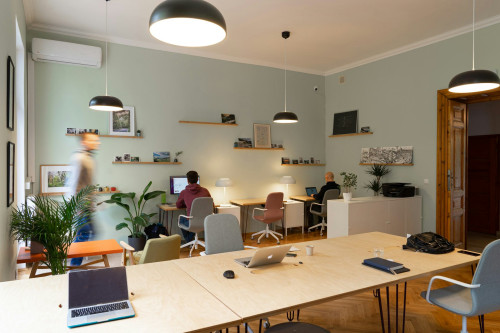
Modern coworking spaces are designed with both productivity and well-being in mind. The layout typically balances areas for focus with spaces for collaboration. Open lounges, quiet zones, meeting rooms, and creative corners coexist to accommodate different work styles and moods.
Attention to light, acoustics, and greenery plays a crucial role in creating a comfortable atmosphere. Sustainability has also become a priority — from eco-friendly materials to energy-efficient operations. This reflects a broader cultural shift in which businesses and individuals alike value responsibility and environmental awareness.
Technology as an Enabler
Digital tools have made flexible work more seamless than ever. Mobile apps for desk booking, digital access systems, and high-speed internet allow coworking spaces to operate efficiently and give members the freedom to work on their own terms.
Video conferencing and cloud-based collaboration tools have blurred the boundaries between physical and virtual workspaces. Many coworking providers now offer hybrid memberships, enabling members to participate in the community even when working remotely. This integration of technology supports both flexibility and connection.
A New Balance Between Freedom and Structure
For many professionals, coworking represents a balance between independence and routine. It offers the freedom to choose when and where to work, while still providing a structured environment that fosters focus and social interaction.
This model appeals not only to freelancers and startups but also to larger corporations seeking to offer employees more autonomy. In this way, coworking spaces are becoming more than just places to work — they are ecosystems where ideas, relationships, and new ways of thinking about work can thrive.
The Future of Work Communities
Looking ahead, coworking spaces are poised to play an even greater role in the American work landscape. Cities across the country are integrating them into local economic development strategies, and property owners are increasingly incorporating flexible office areas into their portfolios.
The future of coworking will likely be even more hybrid — blending physical presence, digital collaboration, and community engagement. It’s no longer just about square footage; it’s about creating environments that support people, creativity, and sustainable growth in a rapidly changing world.
Læs også: