One Size Doesn’t Fit All: Meal Solutions for Different Workplaces

One Size Doesn’t Fit All: Meal Solutions for Different Workplaces
Lunch is more than just a break in the day—it’s a moment to recharge, connect, and reset. But what that looks like can vary dramatically from one workplace to another. Some employees enjoy a full cafeteria with hot meals, while others grab a quick bite between meetings or eat on the go. One size simply doesn’t fit all. The best meal solutions are those that reflect the culture, needs, and realities of each workplace.
Different Needs, Different Solutions
A meal program that works perfectly for a large corporate office might be completely impractical for a construction site or a hospital. It’s not just about logistics—it’s about work rhythms, schedules, and culture.
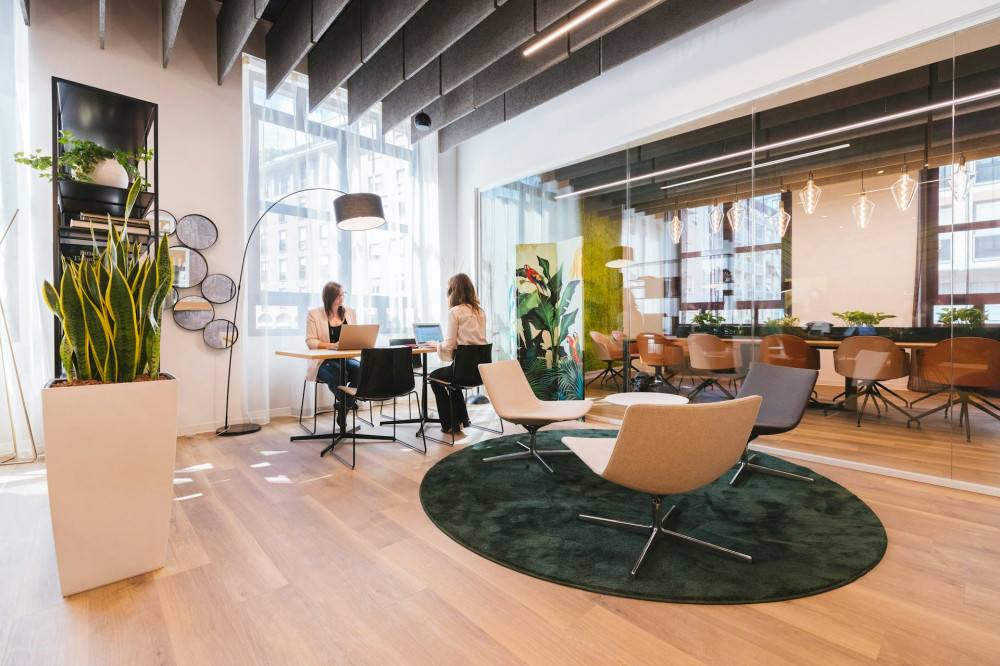
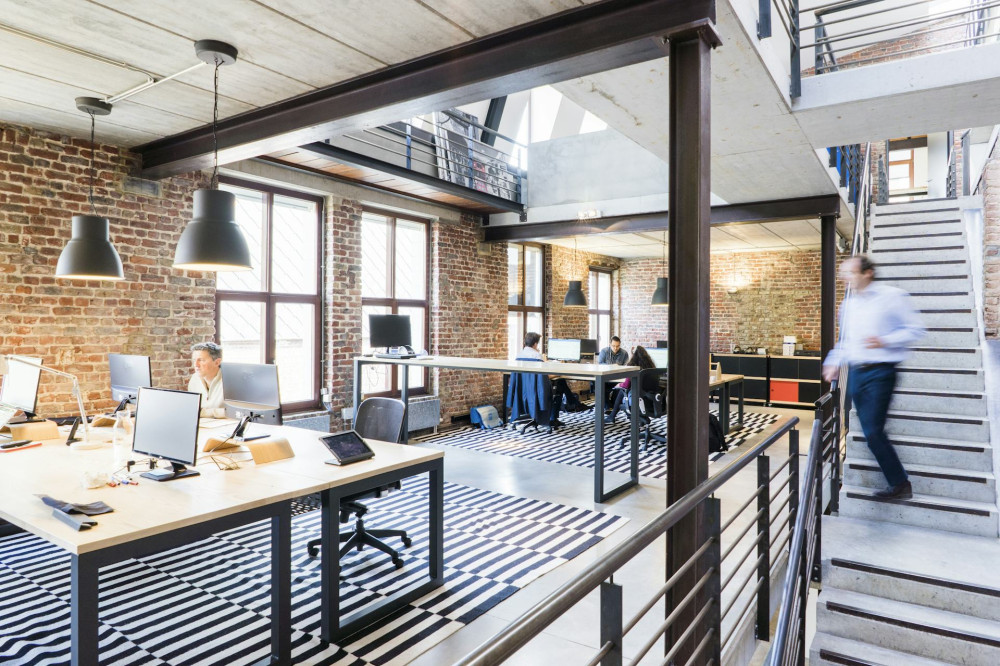
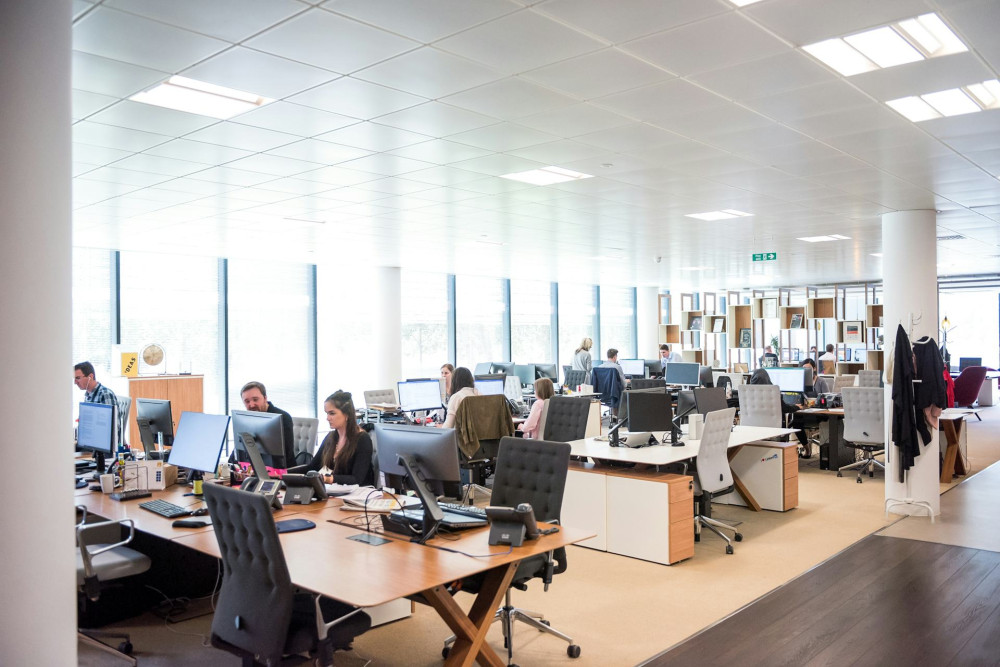
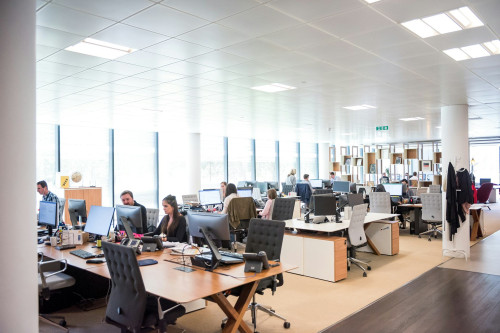
- Office environments often have predictable lunch breaks and shared spaces. Here, a cafeteria, meal delivery service, or catered lunches can foster both convenience and community.
- Field workers and tradespeople need flexibility. They may eat in their vehicles or at changing job sites, so portable, nutritious, and easy-to-store meals are key.
- Healthcare and emergency services operate around the clock. For these employees, 24/7 access to healthy grab-and-go options—like refrigerated meals or vending fridges—can make a real difference.
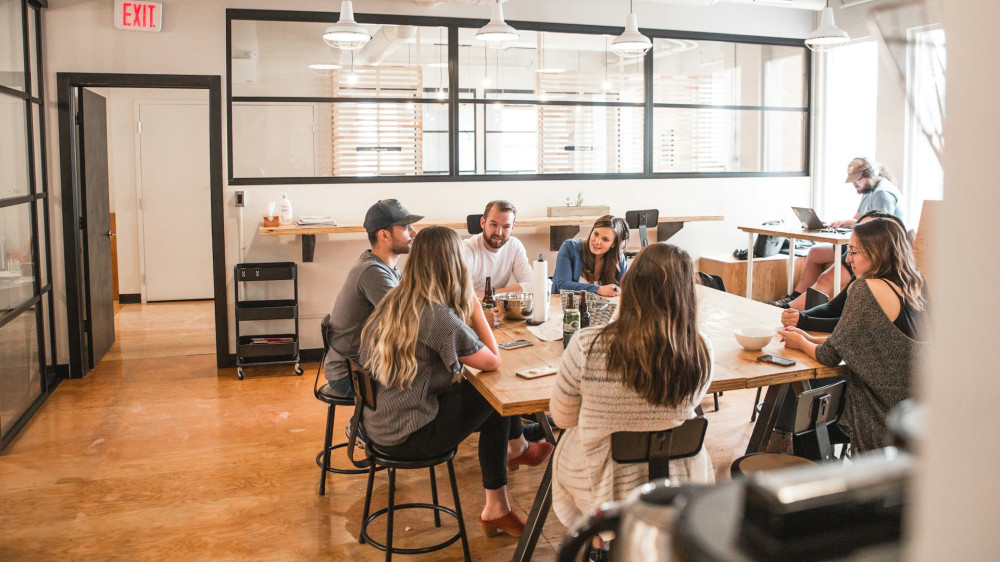
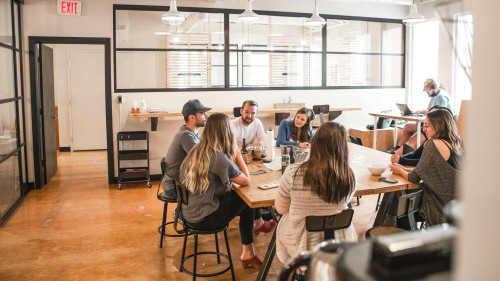
- Creative teams and startups often value informality and collaboration. Shared cooking sessions, local catering, or meal subscriptions from nearby restaurants can strengthen team spirit and identity.
Recognizing these differences is the first step toward creating a meal solution that people actually use—and appreciate.
Food as a Connector
Meals aren’t just about nutrition; they’re about connection. A well-designed lunch program can bring people together across departments and roles, sparking conversations that might never happen in a meeting room.
That’s why it’s worth thinking beyond the menu. How can the lunch break become a social moment? Should there be communal dining areas, outdoor picnic spaces, or themed lunch days where employees contribute dishes? Small touches like these can make a big impact on workplace culture and morale.
Health and Sustainability as Shared Goals
More U.S. companies are viewing workplace meals as part of their wellness and sustainability strategies. It’s about offering food that fuels productivity while also reflecting environmental responsibility.
Nutritious, plant-forward meals can boost energy and well-being while supporting corporate sustainability goals. But ambition must meet practicality. A remote job site with limited refrigeration has different options than a downtown office with a full kitchen. The key is to find solutions that are realistic, appealing, and aligned with company values.
Læs også:
Technology and Flexibility in Modern Meal Programs
Technology is transforming how workplaces manage food. Many companies now use apps that let employees pre-order meals, choose from multiple options, or note dietary preferences. This not only adds convenience but also helps reduce food waste.
Flexible subscription models are also gaining traction, allowing businesses to adjust meal quantities week by week—ideal for hybrid work environments where not everyone is in the office every day.
Finding the Right Fit
When designing or updating a workplace meal program, it helps to start with a few essential questions:
- What does a typical workday look like? Are there set breaks, or do people eat when they can?
- What facilities are available? Is there a kitchen, fridge, or dining area?
- What do employees value most? Variety, health, cost, or social connection?
- What resources are available? Financially and logistically?
Involving employees in the process builds ownership and ensures the solution truly meets their needs. A good meal program isn’t just a perk—it’s an investment in well-being, productivity, and company culture.
One Size Doesn’t Fit All—and That’s the Point
There’s no universal recipe for the perfect workplace meal plan. What works in one setting might fail in another. But by understanding the daily realities of your team, listening to their preferences, and thinking creatively, you can design meal solutions that nourish, motivate, and connect.
Because in the end, it’s not just about what’s on the plate—it’s about how food becomes a meaningful part of the workday.
Læs også: