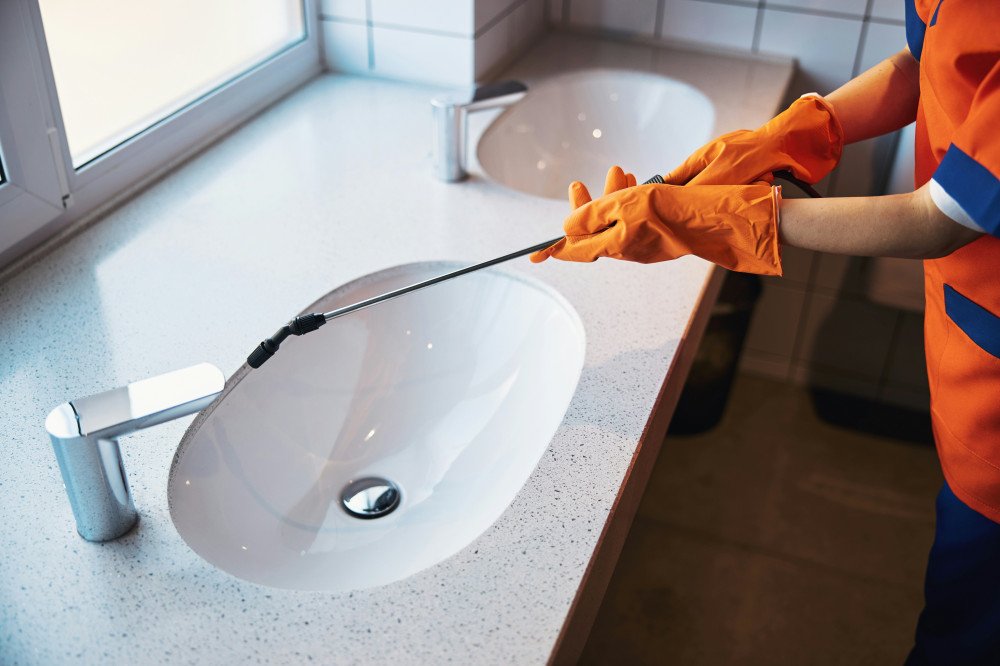
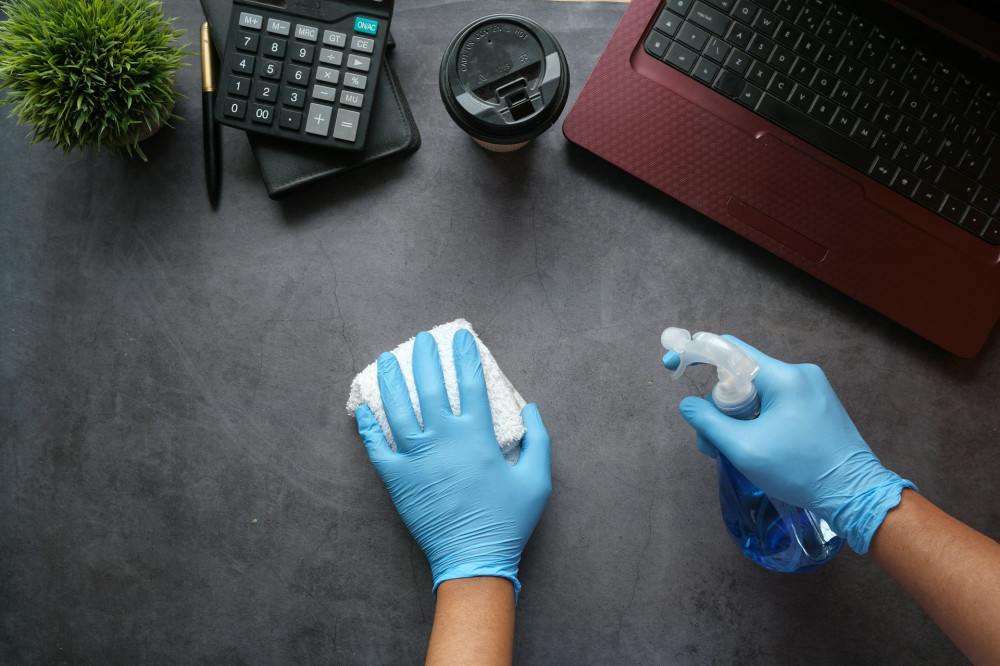
See for Yourself: How Visual Inspections Ensure Cleaning Quality


See for Yourself: How Visual Inspections Ensure Cleaning Quality
When a cleaning job is finished, everything might look spotless at first glance—but how can you be sure the quality truly meets expectations? That’s where visual inspections come in. They’re a simple yet powerful way to confirm that cleaning isn’t just done, but done right. In an industry where trust and accountability matter, being able to see the results with your own eyes makes all the difference.
What Is a Visual Inspection?
A visual inspection is a systematic review of a cleaned area, where the outcome is evaluated based on visible criteria. This might include checking for dust on surfaces, streaks on floors, or fingerprints on glass. The inspection is typically carried out by a supervisor, quality manager, or sometimes even the client.
The goal is to ensure that cleaning meets the agreed-upon standards—and that any issues are identified and corrected quickly. It’s not about pointing fingers, but about building a shared understanding of what quality looks like in practice.
A Method That Builds Transparency
Visual inspections are a cornerstone of quality assurance in many U.S. cleaning companies. They can be guided by internal checklists or by recognized standards such as the ISSA Cleaning Industry Management Standard (CIMS). These frameworks provide a common language for defining and measuring cleaning quality, so both service providers and clients know what to expect.
By documenting inspection results—often digitally through apps or management systems—companies create transparency. Clients can track performance over time, while cleaning teams can use the data to improve training, scheduling, and processes.
Læs også:


From Inspection to Improvement
Although the word “inspection” might sound like oversight, visual inspections are really a learning tool. When employees receive constructive feedback, they gain a clearer sense of expectations and areas for improvement. This not only enhances skills but also builds pride in their work.
Many cleaning companies use visual inspections as part of continuous quality improvement. Instead of waiting for complaints, they take a proactive approach—maintaining high standards and fostering a culture where quality is openly discussed and celebrated.
Technology as a Partner
Today, technology plays a growing role in supporting visual inspections. With a smartphone or tablet, inspectors can record observations, take photos, and share reports instantly with both staff and clients. This saves time and reduces the risk of miscommunication.
Some systems even analyze inspection data over time, highlighting trends such as recurring problem areas. This insight helps managers plan more effectively and target training where it’s needed most.
Quality You Can See—and Feel
A well-executed visual inspection isn’t just about finding flaws—it’s about confirming that the job was done well. When both employees and clients can see that quality is high, it builds trust and satisfaction on both sides.
For the cleaning industry, visual inspections are a way to demonstrate professionalism and reliability. For clients, they’re reassurance that their spaces are clean, healthy, and welcoming. In short, it’s quality you can see for yourself.
Læs også: