A Safe and Organized Foundation for a Great Work Environment

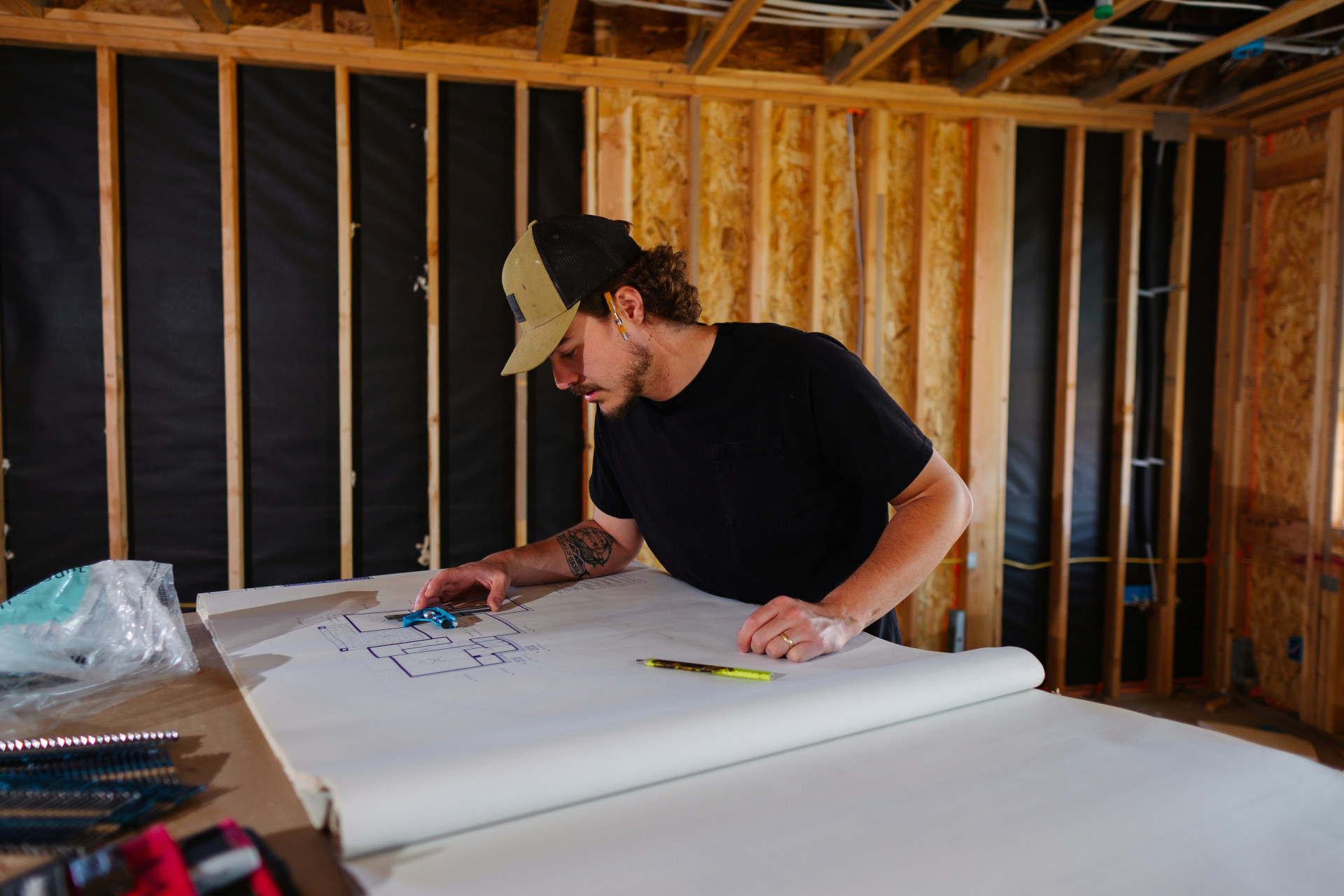
A Safe and Organized Foundation for a Great Work Environment
A great work environment doesn’t begin when the first task starts—it begins with the conditions that are created long before. In the construction industry, that means safety, organization, and planning must be built into every stage of the process. A safe and orderly foundation is not only about well-being; it’s also about efficiency, quality, and accountability.
Here, we take a closer look at how to create a strong starting point for a great work environment—both on the job site and within the companies behind it.
Planning as the First Step
A safe workplace rarely happens by chance. It requires planning, clear roles, and a shared understanding of how the work will be carried out. Safety and logistics should be considered as early as the design phase: Where will materials be stored? How will access routes be maintained? How can unnecessary risks be avoided during execution?
When safety is built into the plan from the start, it becomes a natural part of the process—not an afterthought. This proactive approach helps prevent accidents and fosters a culture where everyone takes responsibility.
Organization Creates Clarity
A clean and organized job site is a safe job site. Clutter, loose cords, and scattered materials increase the risk of accidents and wasted time. At the same time, employees work more efficiently and with greater satisfaction when they can move freely and find what they need without delay.
Many U.S. construction sites now follow structured routines for housekeeping and waste management. Simple measures can make a big difference, such as:
- Daily cleanup before the end of the shift – so the next crew starts with a safe and ready site.
- Clear signage and designated zones – so everyone knows where tools, materials, and waste belong.
- Shared responsibility – where all trades contribute to maintaining order, not just one assigned person.
These small habits build a safer, more efficient, and more collaborative workplace.
Læs også:
Safety as a Shared Culture
A strong safety culture is about more than rules and equipment—it’s about mindset. When safety becomes second nature, it influences every part of the organization. Leadership plays a key role by setting the tone and showing that safety is a top priority, even when deadlines are tight.
At the same time, employees should be encouraged to share their insights and experiences. Many companies hold short safety meetings or “toolbox talks” where workers can suggest improvements. This open dialogue builds ownership and helps identify potential issues before they become problems.
Training and Awareness
A safe foundation depends on knowledge. Training in the proper use of tools, machinery, and personal protective equipment is essential. But safety awareness also includes the small things—using correct lifting techniques, securing scaffolding properly, and speaking up when something doesn’t look right.
Many accidents happen when routine takes over. That’s why it’s important to remind one another that safety isn’t just a formality—it’s the condition that allows everyone to go home safely at the end of the day.
A Foundation That Lasts
When safety and organization are integrated into daily work, they don’t just create a better work environment—they also improve the quality of the finished project. A well-organized job site means fewer mistakes, less waste, and smoother collaboration among teams.
A safe and organized foundation is, in other words, an investment in people and in project success. It’s where a great work environment begins—and where it must be maintained every single day.
Læs også: