Interdisciplinary Collaboration – The Key to Success in Modern Construction Projects

Interdisciplinary Collaboration – The Key to Success in Modern Construction Projects
The U.S. construction industry is undergoing a profound transformation. New technologies, ambitious sustainability goals, and increasingly complex projects are reshaping how buildings are designed and delivered. Where once architects, engineers, and contractors worked in clearly defined sequences, today’s projects demand a far more integrated approach. Interdisciplinary collaboration is no longer just an advantage—it’s a prerequisite for success.
From Silos to Synergy
Traditionally, construction projects in the United States have been organized around professional silos. The architect designed, the engineer calculated, and the contractor built. This linear process often led to miscommunication, delays, and costly rework when design intentions and practical realities didn’t align.
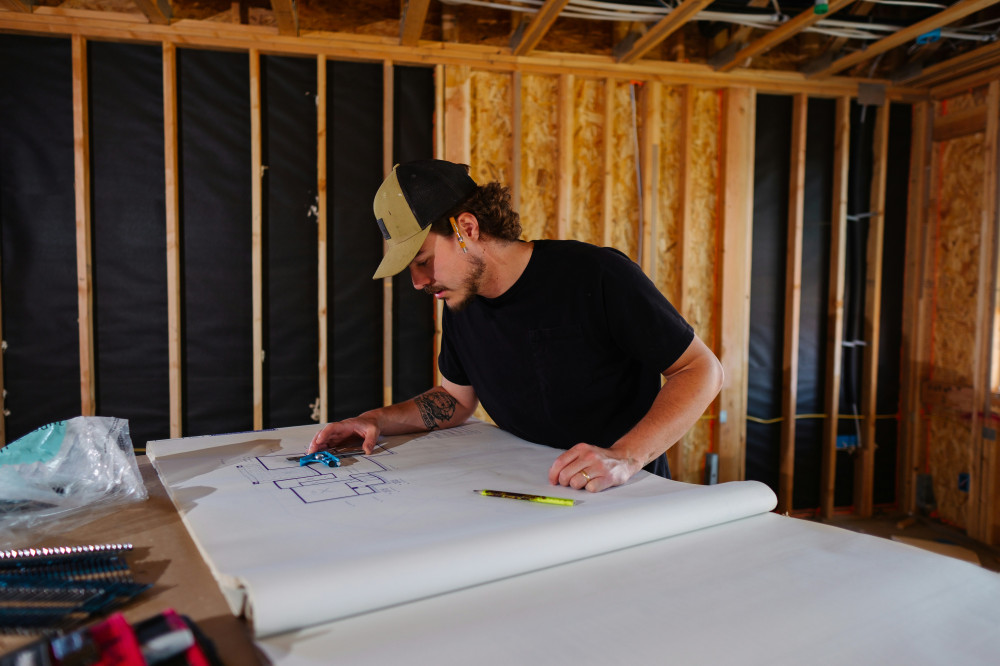
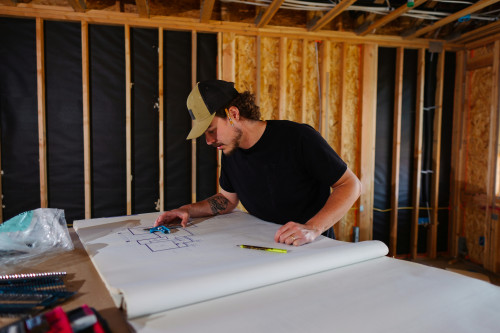
Now, more and more project teams recognize that the best outcomes arise when all disciplines are engaged early in the process. When architects, engineers, contractors, and owners collaborate from concept through completion, potential conflicts can be identified early, solutions optimized, and workflows streamlined. The result is a more efficient process and a higher-quality final product.
Shared Goals and Open Communication
Successful interdisciplinary collaboration begins with a shared vision. Every participant must understand the project’s overarching objectives—whether they relate to sustainability, functionality, aesthetics, or budget. When everyone is aligned around a common goal, decisions can be made in the interest of the whole project rather than individual disciplines.
Communication is the cornerstone of this process. Regular coordination meetings, shared digital platforms, and a culture that encourages questions and constructive debate are essential. The goal isn’t to avoid disagreements but to manage them productively. Open dialogue builds trust—and trust is the foundation of any effective collaboration.
Digital Tools as Connective Tissue
Digitalization has revolutionized how construction teams work together. Building Information Modeling (BIM) has become one of the most powerful tools for uniting all stakeholders around a shared digital model of the project. By working within the same data environment, architects, engineers, and contractors can detect clashes early, test design alternatives, and prevent costly changes during construction.
Other digital tools—such as cloud-based project management systems, real-time communication platforms, and integrated scheduling software—further enhance transparency and coordination. When everyone has access to the same up-to-date information, the risk of errors and misunderstandings is dramatically reduced.
Sustainability Demands Integration
Few areas highlight the importance of interdisciplinary collaboration more clearly than sustainability. Designing buildings that minimize energy use, reduce carbon emissions, and promote occupant well-being requires a holistic mindset. Architects must understand the technical implications of their design choices, engineers must appreciate the aesthetic and functional goals, and contractors must translate these ideas into practical, buildable solutions.
When sustainability is embedded as a shared objective from the outset, teams can avoid expensive compromises later in the process. The key is to view the building as an interconnected system rather than a collection of separate parts.
Leadership and Culture as Driving Forces
Even the most advanced digital tools cannot replace strong leadership. Effective interdisciplinary collaboration depends on project leaders who can foster dialogue, coordinate efforts, and guide collective decision-making. Leadership in this context means motivating teams, listening actively, and ensuring that every participant feels responsible for the project’s success.
Equally important is the culture within organizations and on job sites. A culture that values knowledge sharing, continuous learning, and mutual respect creates fertile ground for innovation and quality. Breaking old habits can be challenging, but the rewards—better outcomes, stronger teams, and more resilient organizations—are well worth the effort.
Læs også:


Building the Future Together
Interdisciplinary collaboration is not a passing trend; it is the foundation of a construction industry that must deliver smarter, more sustainable, and more efficient solutions. When professional boundaries are bridged and all stakeholders work toward a common purpose, the result is not only better buildings but also a stronger, more adaptive industry.
Success in modern construction is about more than technology and budgets—it’s about people working together. That is where the true key to the future of building lies.
Læs også: