Flexible Lighting for Modern Office Spaces

Flexible Lighting for Modern Office Spaces
As the way we work continues to evolve—with hybrid schedules, shared work environments, and adaptable office layouts—lighting has become more than just a practical necessity. It’s a key element in creating spaces that support focus, collaboration, and well-being. Flexible lighting is now an essential part of modern office design, helping employees transition smoothly between different tasks and moods throughout the day.
Lighting as Part of the Work Environment
Research consistently shows that lighting has a direct impact on comfort, alertness, and productivity. Harsh or overly cool light can cause fatigue, while dim lighting can make it difficult to concentrate. The ideal solution is lighting that can be adjusted to suit the time of day, the type of work being done, and individual preferences.
In today’s offices, lighting is considered an integral part of the overall work environment—on par with acoustics, furniture, and air quality. The goal is to create a space where people feel comfortable, energized, and able to perform at their best.
Zones with Different Lighting Needs
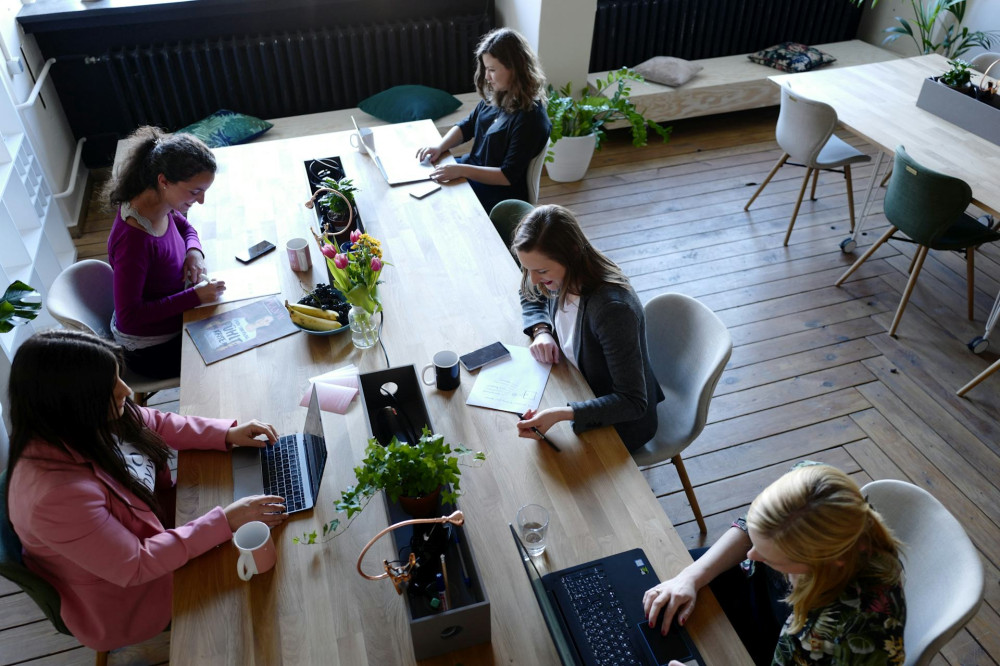
A modern office rarely consists of just one type of workspace. There are open-plan areas, meeting rooms, quiet zones, and social spaces, each with its own lighting requirements:
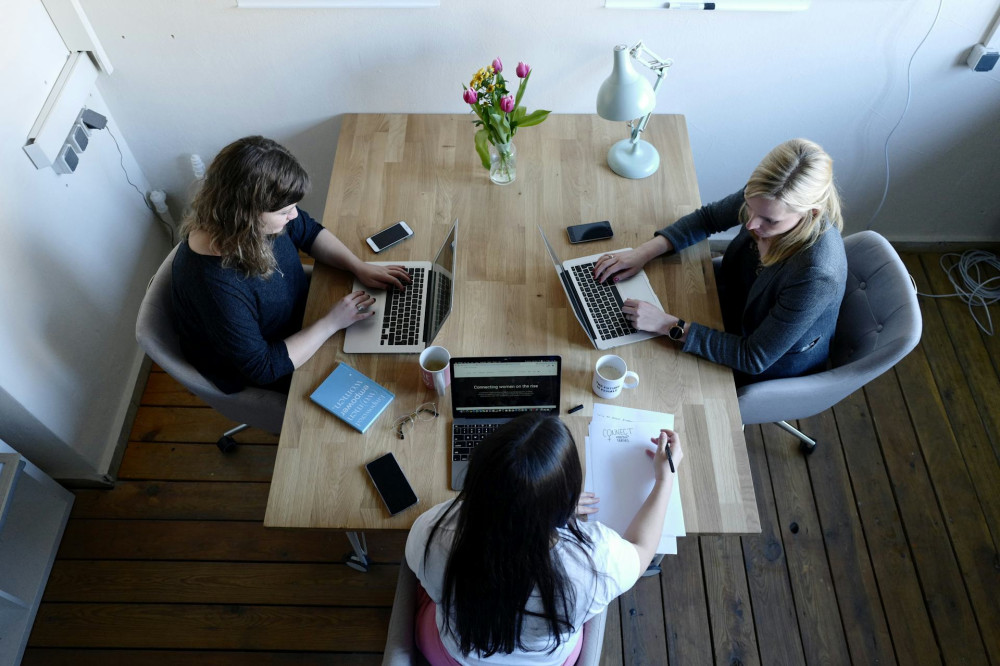
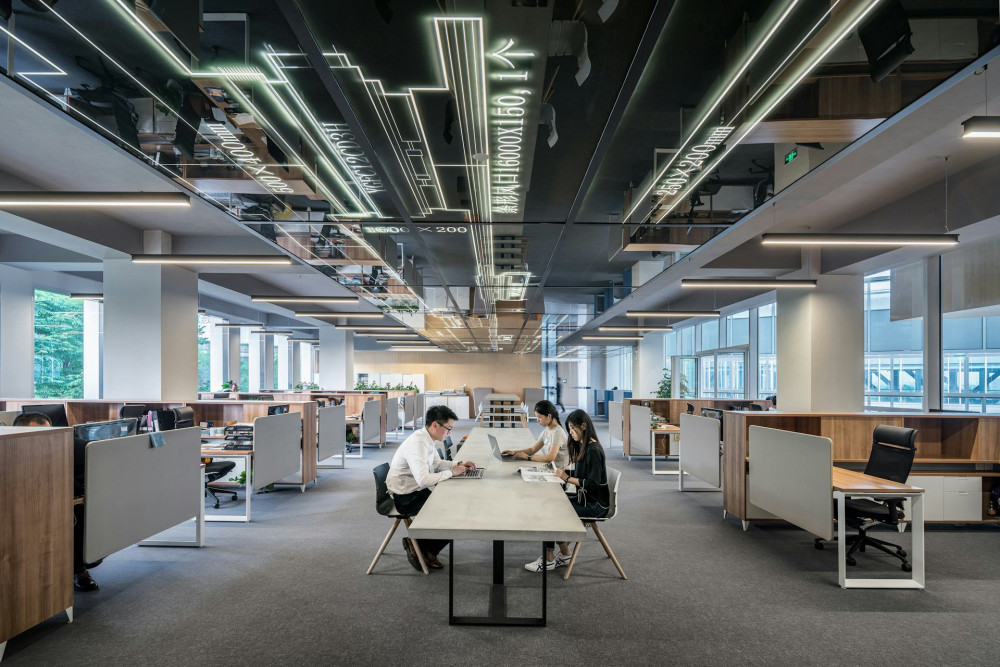
- Work zones benefit from bright, even lighting that minimizes glare and eye strain. Adjustable desk lamps or fixtures with individual controls are ideal here.
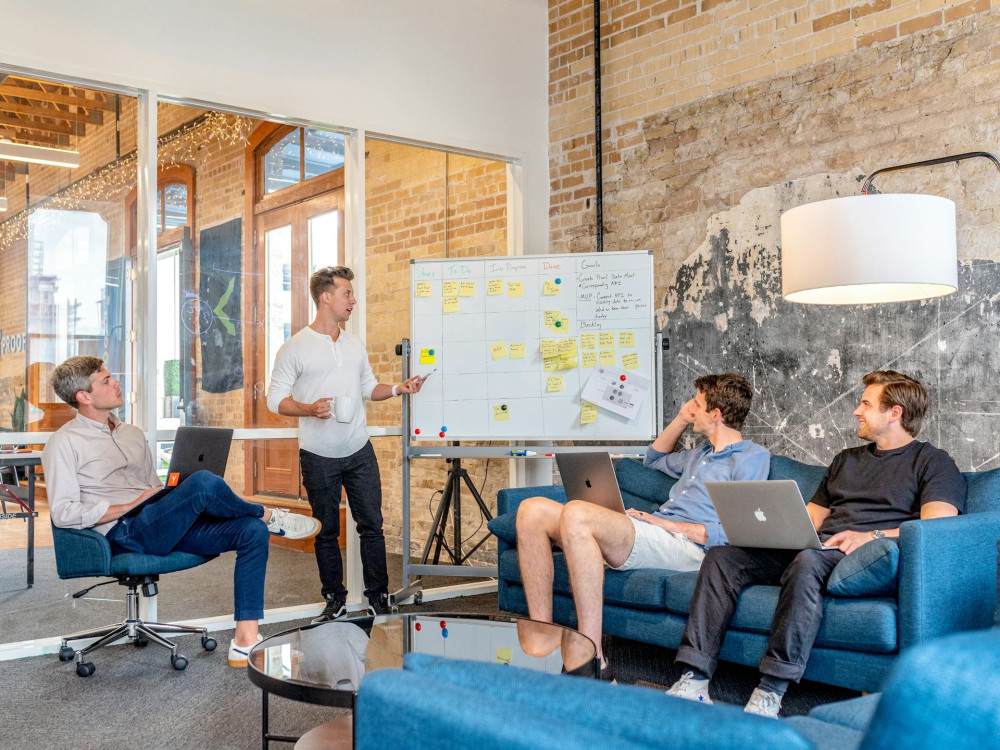
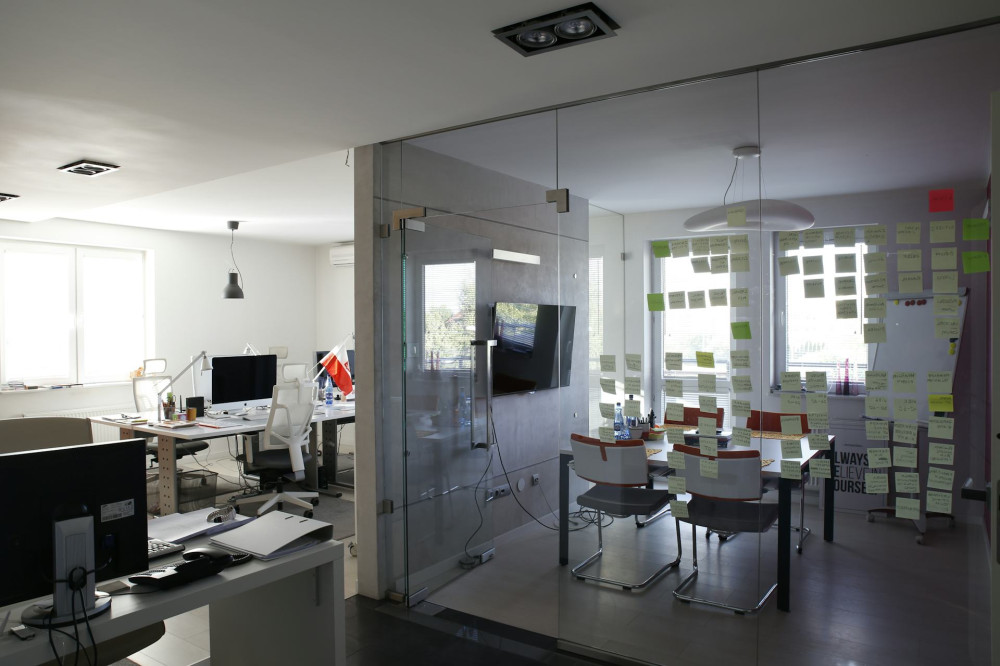
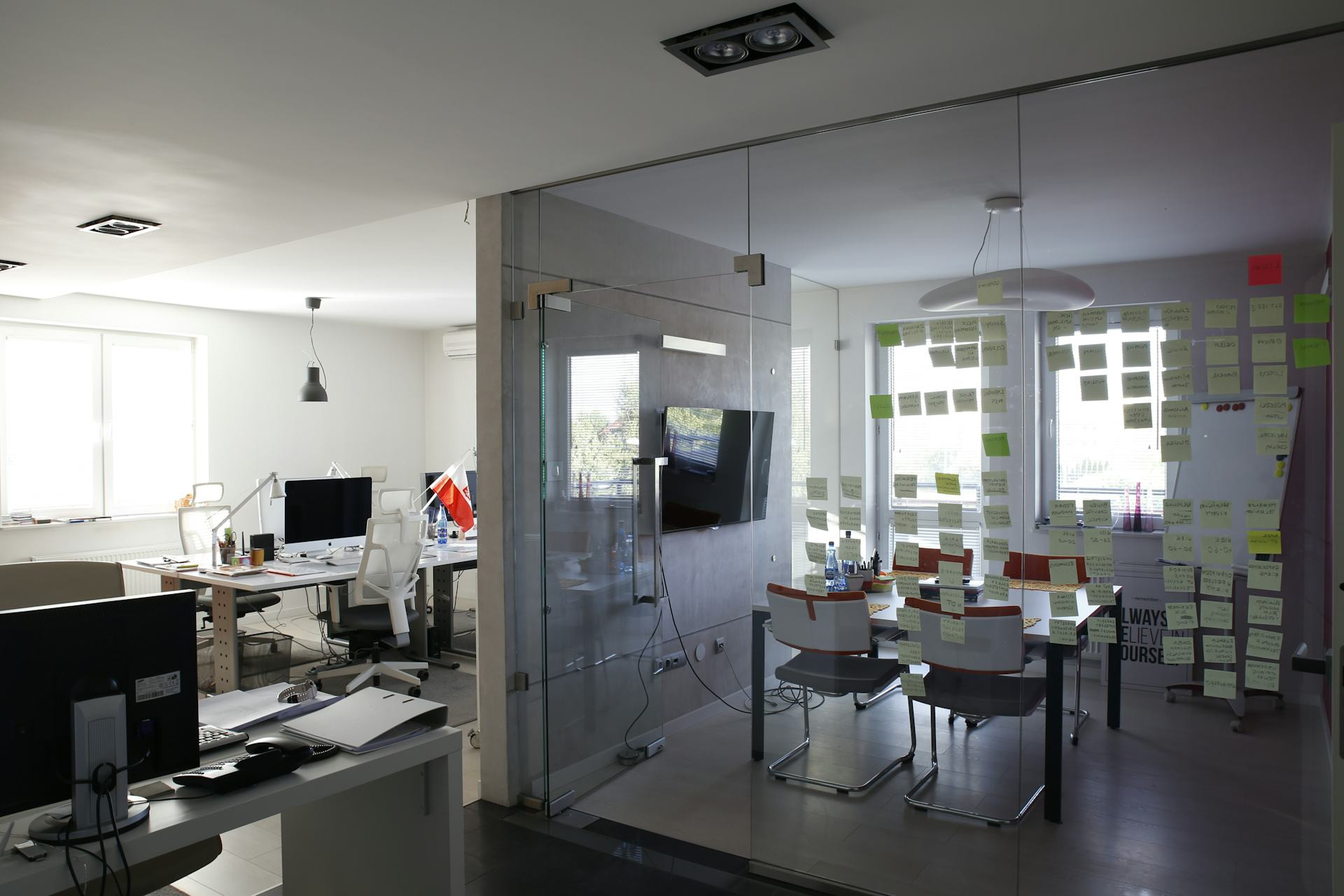
- Meeting rooms need flexibility—bright light for presentations and softer light for discussions or brainstorming sessions.
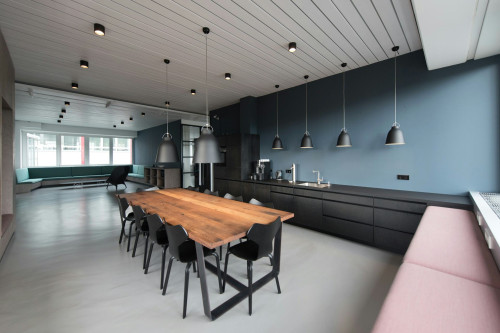
- Break areas and lounges work best with warmer, more relaxed lighting that encourages rest and informal conversation.
- Creative spaces can take advantage of dynamic lighting systems that change color temperature and intensity to inspire new ideas.
By dividing the office into lighting zones, companies can create variety and support the different activities that take place throughout the day.
Læs også:
Smart Controls and Sensors
Technology has made it easier than ever to manage lighting efficiently. Motion and daylight sensors can automatically adjust brightness based on occupancy and natural light levels, ensuring that lights are only on when needed. This not only saves energy but also creates a more comfortable atmosphere.
Smart lighting systems also allow employees to personalize their environment through apps or wall panels, adjusting brightness and color temperature to their liking. This sense of control contributes to both comfort and satisfaction at work.
Daylight as the Primary Source
While artificial lighting is essential, natural daylight should always be the foundation of any lighting plan. Large windows, glass partitions, and light-colored surfaces help bring daylight deeper into the space. This not only improves visual comfort but also enhances the feeling of openness and connection to the outside world.
When daylight is combined with sensors that automatically balance artificial light levels, the result is a harmonious, energy-efficient environment that feels natural and easy on the eyes.
Lighting as a Design Element
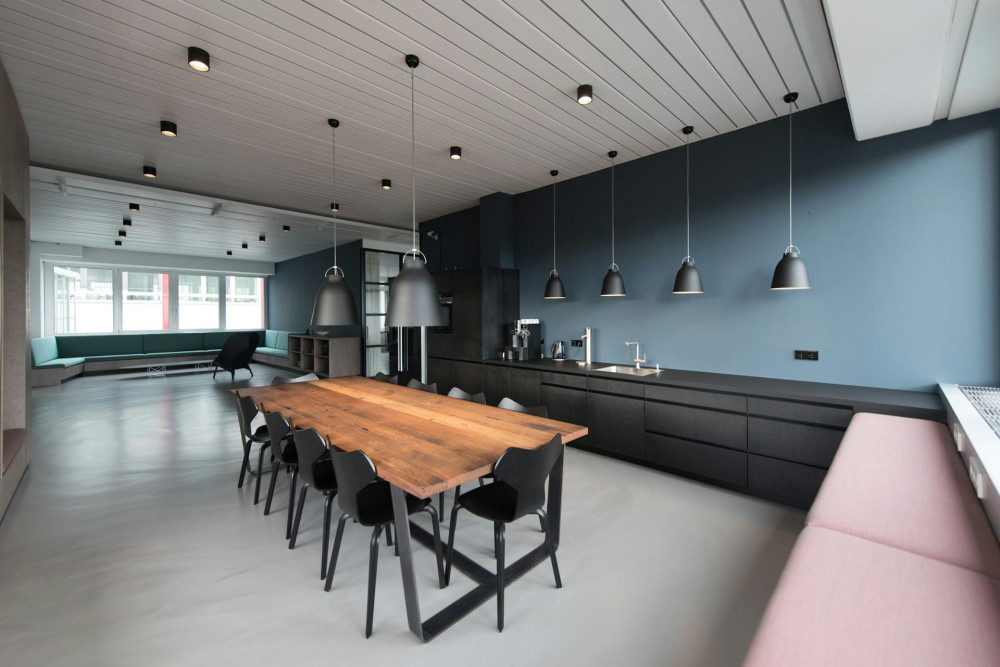
In modern office interiors, lighting also plays a major aesthetic role. Fixtures are no longer purely functional—they’re part of the design language. Pendant lights over conference tables, indirect ceiling lighting, or decorative floor lamps can all help define the atmosphere and reflect a company’s brand identity.
By blending function and form, lighting becomes a design feature that contributes to an inspiring and professional workspace.
The Future of Office Lighting Is Flexible
Ultimately, flexible lighting is about creating offices that adapt to people—not the other way around. With smart controls, thoughtful zoning, and a focus on well-being, lighting becomes an active tool for supporting productivity and comfort.
The modern workplace is dynamic, and its lighting should be too. When light can shift in tone and intensity throughout the day, it becomes a natural part of a healthy, adaptable, and forward-thinking office environment.
Læs også: