Zones that Work: Design Your Office for Focus, Collaboration, and Breaks

Zones that Work: Design Your Office for Focus, Collaboration, and Breaks
A great office isn’t just about desks, chairs, and computers. It’s about creating an environment that supports the different ways we work — from deep concentration to creative teamwork and well-deserved breaks. Many U.S. companies have learned that one big open office doesn’t fit all tasks. Instead, the key is to design zones that each encourage a specific type of work and atmosphere. Here’s how you can create an office that truly works — for both people and productivity.
Focus Zones – Space to Think
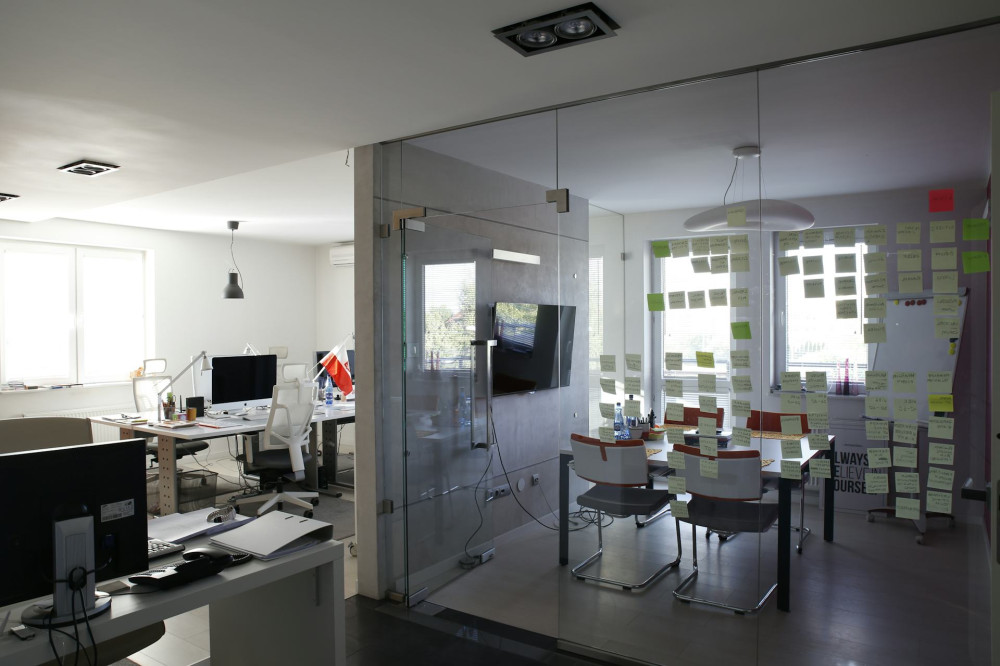
When you need to tackle tasks that require concentration, noise and interruptions are your biggest enemies. A focus zone should be a place where employees can retreat and work without distractions. This might mean a quiet area with sound-absorbing materials, individual workstations, or small rooms with doors that close.
Lighting matters — keep it soft and even to reduce eye strain. Avoid placing these zones in high-traffic areas, and make it clear that they’re meant for quiet work. Many offices use visual cues like color, signage, or furniture layout to signal that this is a “heads-down” area.
A good rule of thumb is to locate focus zones away from coffee stations, printers, and meeting rooms. That way, employees can easily find calm when they need to dive deep into a project.
Læs også:


Collaboration Zones – Energy and Idea Exchange
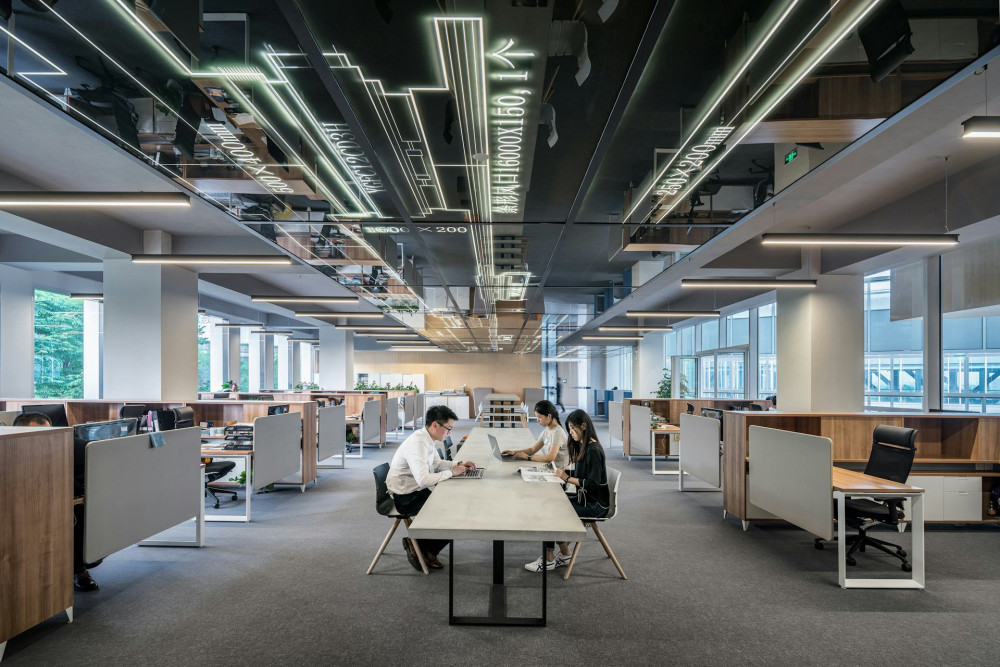
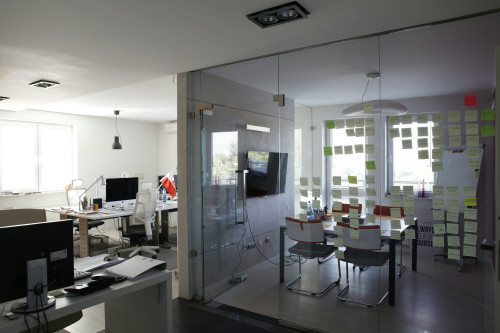
Just as important as quiet is having spaces where people can meet, talk, and brainstorm. Collaboration zones should invite conversation and flexibility. These are the areas where energy flows and spontaneous ideas take shape.
Furnish them with movable tables, whiteboards, and screens so the space can quickly adapt to different needs — a standing meeting, a workshop, or a quick check-in. Acoustics still matter here: use textiles, plants, and sound panels to keep noise from spilling into other areas.
Think carefully about how collaboration zones are placed in relation to focus areas. A good balance between open and enclosed spaces helps employees shift smoothly between concentration and teamwork throughout the day.
Break Zones – Recharge and Connect
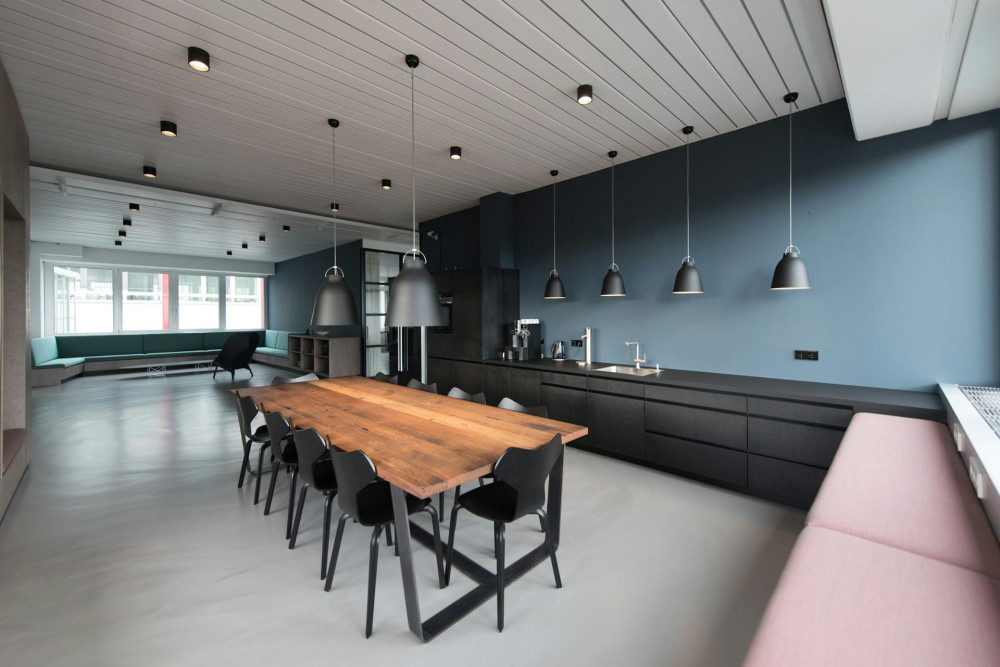
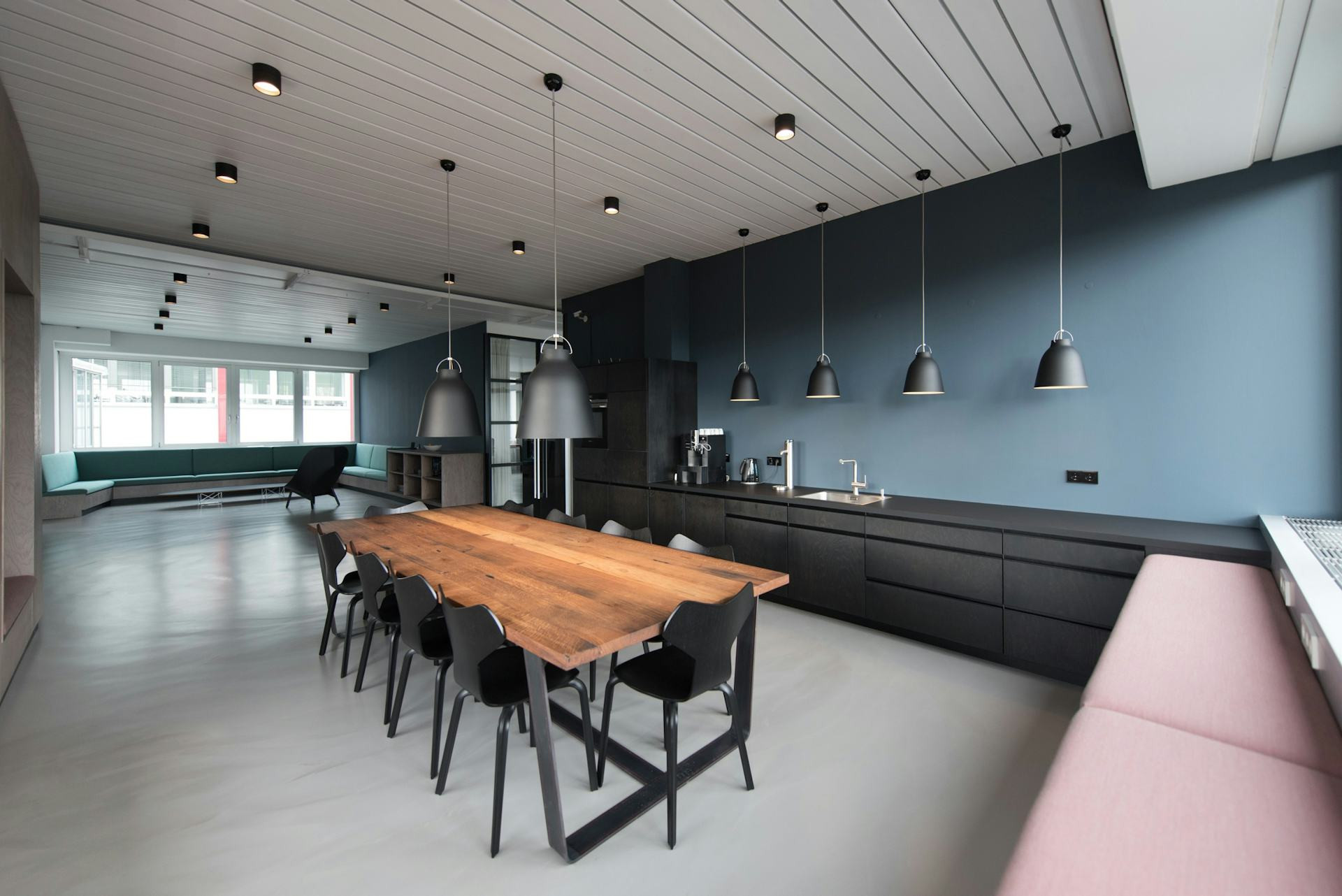
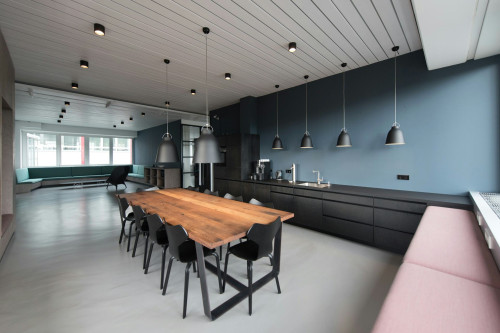
Breaks aren’t wasted time — they’re essential for productivity. A well-designed break zone gives people a chance to relax, recharge, and connect across teams. It could be a cozy lounge with comfortable seating, a bright kitchen area with natural light and greenery, or an outdoor patio where employees can get some fresh air.
The design should feel different from the rest of the office. Use warm colors, soft textures, and maybe a touch of humor in the décor. It should be a place people actually want to spend time — not just somewhere to grab a quick coffee.
Many teams find that their best ideas come during breaks, when the mind is free to wander. That’s why break zones aren’t just about well-being — they’re also about sparking innovation.
Flexibility and Clear Guidelines
An office with zones only works if everyone knows how to use them. Clear communication and shared expectations are key. Create simple guidelines for what each area is meant for — and allow the culture to evolve naturally over time.
Flexibility is crucial. Needs change, and so do work styles. Choose furniture and layouts that can be moved and reconfigured easily. That way, your office can grow with your organization and continue to support focus, collaboration, and rest.
An Office That Works With You — Not Against You
When your office is designed with zones in mind, it becomes easier for employees to find the right environment for each task. The result is better well-being, higher efficiency, and fewer distractions. A great office isn’t just a place where work happens — it’s a place that helps people do their best work.
Læs også: