Flipped Classroom: When the Teacher Takes on the Role of Facilitator


Flipped Classroom: When the Teacher Takes on the Role of Facilitator
For decades, classroom teaching in the United States has often centered on the teacher as the main source of knowledge — the person standing at the front of the room, explaining concepts while students listen and take notes. But as technology and new learning models reshape education, this traditional setup is being challenged. One of the most transformative approaches is the flipped classroom, where the usual order of teaching is reversed: students learn new material at home, and class time is used for discussion, collaboration, and deeper exploration.
This shift calls for a new kind of teacher — not a lecturer, but a facilitator of learning.
What Does It Mean to “Flip” the Classroom?
In a traditional classroom, students are introduced to new topics during class and then complete assignments or practice problems at home. In a flipped classroom, the process is reversed. Students watch instructional videos, read articles, or explore digital materials before coming to class. When they arrive, they already have a basic understanding of the subject matter.
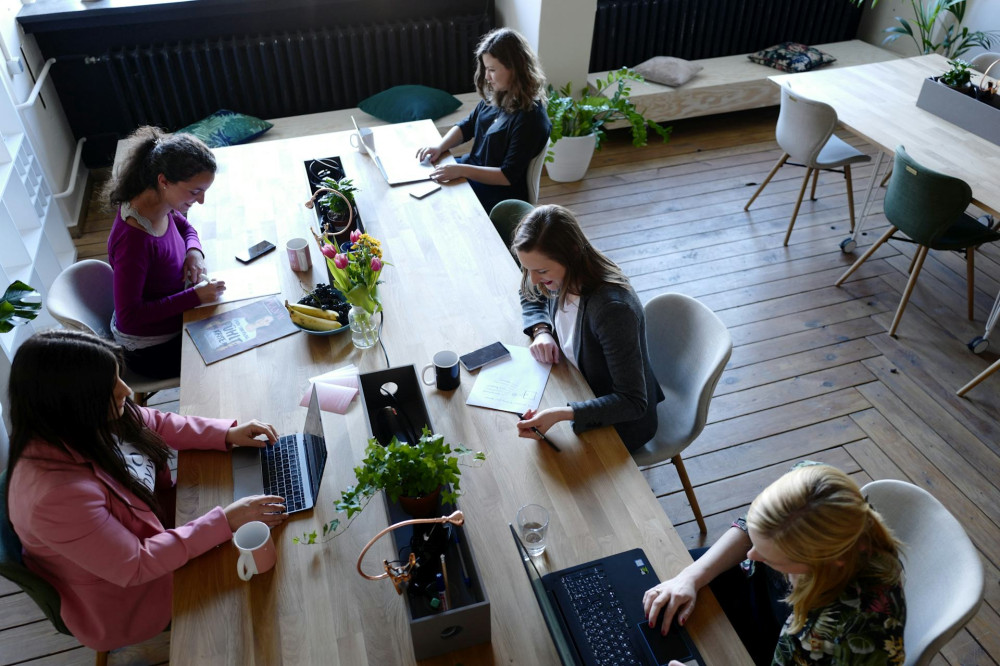
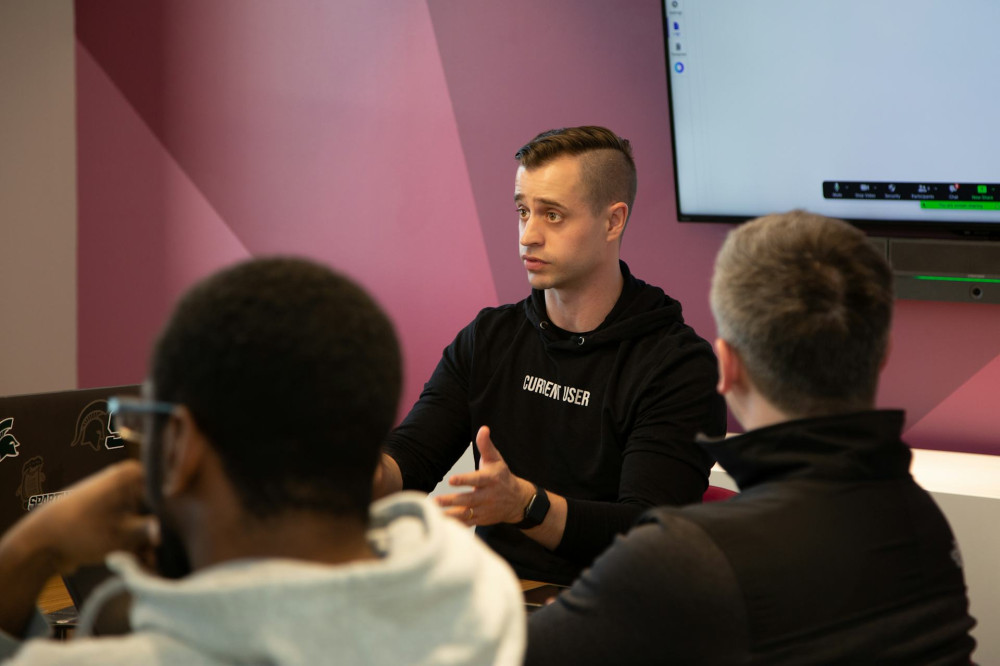
Class time then becomes a space for applying knowledge — through group projects, debates, experiments, or problem-solving activities. The teacher’s role is to guide, question, and support students as they engage with the material in meaningful ways.
The Teacher as Facilitator — Not Lecturer
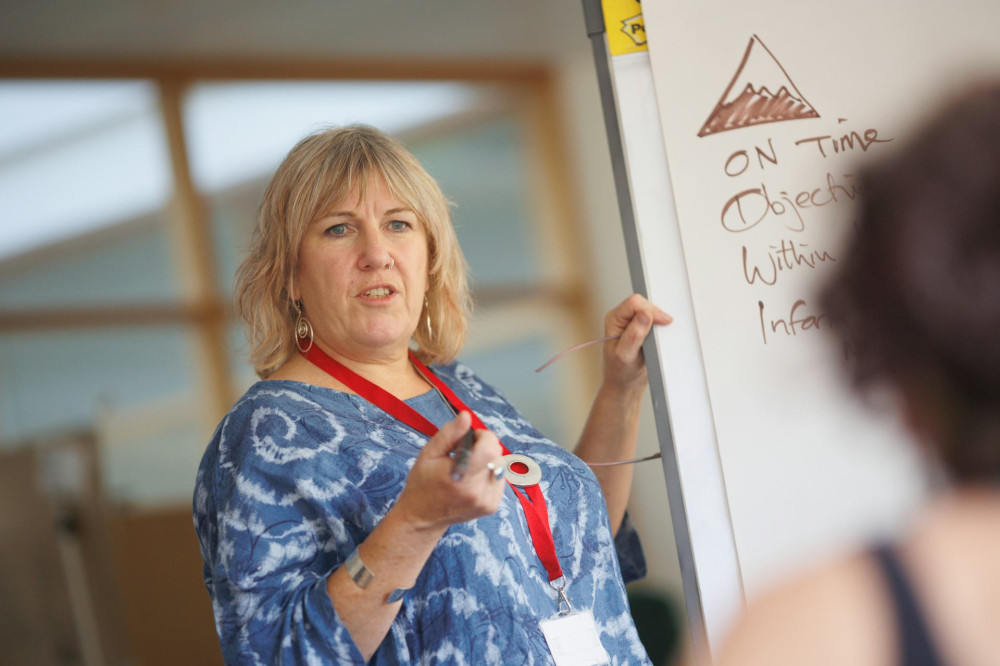
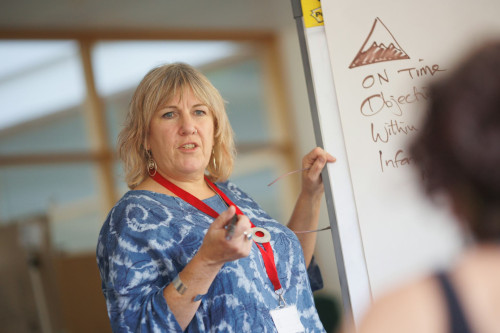
Flipping the classroom fundamentally changes the teacher’s role. Instead of being the primary source of information, the teacher becomes a facilitator who helps students construct their own understanding.
This requires a different kind of preparation. Teachers must design engaging learning activities, create or curate high-quality materials, and foster an environment where students feel comfortable asking questions and making mistakes. The facilitator’s job is to ask the right questions rather than provide all the answers — and to help students take ownership of their learning process.
Læs også:


Benefits of the Flipped Classroom
The flipped classroom model offers a range of benefits for both students and teachers:
- Active learning: Students participate actively in class rather than passively listening to lectures.
- Personalized support: Teachers can spend more time helping students who need extra guidance while allowing others to move ahead independently.
- Greater student ownership: Students learn to take responsibility for their own learning and preparation.
- Deeper understanding: Class time is used to apply and analyze knowledge, which strengthens comprehension and retention.
Many educators in the U.S. have found that flipping the classroom increases student motivation and engagement, especially when lessons are connected to real-world applications.
Challenges and Considerations
Despite its advantages, the flipped classroom model also presents challenges. It requires a cultural shift for both teachers and students.
First, it depends on students completing their preparatory work at home. If they don’t, class activities lose their effectiveness. Teachers need to set clear expectations and help students develop good study habits.
Second, creating or selecting quality digital materials can be time-consuming. Teachers need access to reliable technology and professional development to make the transition successful. However, once materials are created, they can often be reused and refined over time.
Finally, the classroom dynamic becomes less predictable. Discussions and group work can take unexpected turns, requiring teachers to be flexible and responsive.
Getting Started
Implementing a flipped classroom doesn’t have to happen all at once. Many teachers start small — flipping just one lesson or unit to test the approach.
Here are some steps to begin:
- Choose a suitable topic — one that benefits from hands-on practice or discussion.
- Create or find short, focused materials — such as videos, podcasts, or readings for students to review at home.
- Plan interactive class activities that build on the pre-class materials — group projects, case studies, or problem-solving exercises.
- Gather feedback and adjust — ask students what worked well and refine your approach accordingly.
The key is to keep the focus on learning outcomes: fostering deeper understanding and engagement.
A New Way of Thinking About Teaching
The flipped classroom is more than a teaching technique — it represents a shift in mindset about what education should be. It moves the focus from delivering information to facilitating learning, from teacher performance to student growth.
When teachers embrace the role of facilitator, the classroom becomes a more dynamic, student-centered environment. It takes courage to step away from the traditional lecture model, but the reward is a community of learners who are more independent, curious, and invested in their own education.
Læs også: