From Workshop to Training Program – A Guide to the Most Common Course Types


From Workshop to Training Program – A Guide to the Most Common Course Types
Whether you want to learn something new, strengthen your professional skills, or take the next step in your career, there’s no shortage of learning opportunities available today. From short, hands-on workshops to comprehensive certification programs, the options can feel overwhelming. This guide breaks down the most common types of courses in the U.S. and helps you decide which one best fits your goals and schedule.
Workshop – Learning in a Concentrated Format
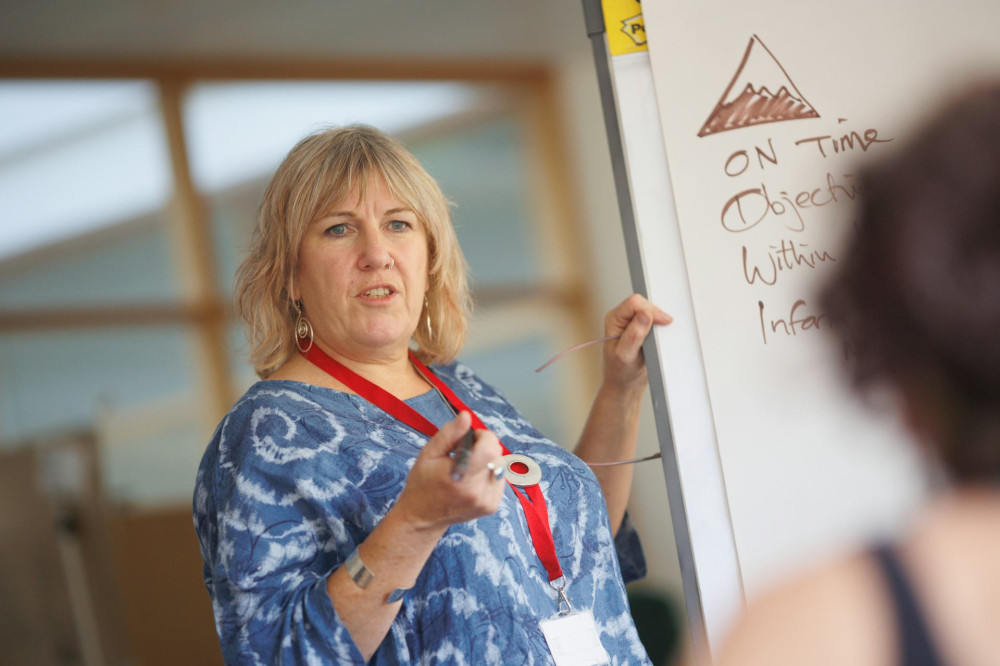
A workshop is typically a short, practical session lasting anywhere from a few hours to a full day. The focus is on active participation—trying out methods, exchanging ideas, and gaining tools you can apply right away. Workshops are often interactive and collaborative, making them ideal for learning by doing.
Workshops are a great choice if you want to:
- Get inspired or explore new ideas in a short time
- Test out a topic before committing to a longer program
- Network with others in your field
They’re especially common in creative industries, leadership development, communication, and project management, where participants can learn from each other’s experiences.
Læs også:



Short Courses – Focused Learning in a Few Days
Short courses usually last from one to five days and combine theory with practice. They offer a more structured introduction to a topic than a workshop but don’t require a long-term commitment.
Short courses are ideal if you want to:
- Update your knowledge in a specific area
- Learn a new skill, such as a software program or management method
- Boost your professional profile without taking extended time off work
Many U.S. universities, community colleges, and private training providers offer short courses both in person and online, giving you flexibility to fit learning into your schedule.
Training Programs – In-Depth Learning with Progression
A training program (or course series) typically runs over several weeks or months and is divided into modules. This format allows you to dive deeper into a subject, apply what you learn in practice, and receive feedback along the way. Programs may follow a set curriculum or be customized to participants’ needs.
A longer training program is a good fit if you:
- Want a thorough understanding of a field
- Are looking to advance or change your career path
- Prefer a structured learning experience with guidance and support
Many programs conclude with a project, assessment, or certification that demonstrates your new competencies.
Online Courses – Flexible Learning at Your Own Pace
Online learning has become a cornerstone of professional development in the U.S. today. Online courses range from short video lessons to full e-learning programs with assignments, quizzes, and instructor feedback. The main advantage is flexibility—you can learn whenever and wherever it suits you.
Online courses are perfect if you:
- Have a busy schedule and want to learn at your own pace
- Prefer digital learning over in-person classes
- Want to supplement your knowledge with short, focused modules
Some online courses are free, while others require payment or a subscription. Quality can vary, so it’s worth checking reviews and the provider’s credentials before enrolling.
Certification Courses – When You Want to Prove Your Skills
Certification courses are designed for professionals who want to validate their expertise in a specific area—such as project management, IT, HR, or quality assurance. These courses usually end with an exam, and passing it earns you an official credential that’s often recognized across industries.
A certification course is worth considering if you:
- Want to strengthen your résumé and professional credibility
- Work in a field where certification is required or highly valued
- Aim to demonstrate specialization and commitment to your profession
These courses can be intensive and require preparation, but they provide a tangible result that can open new career opportunities.
How to Choose the Right Course Type
When deciding which course format suits you best, start by clarifying your goals and practical constraints. Ask yourself:
- How much time can I realistically commit?
- Do I want hands-on experience, theoretical knowledge, or both?
- Do I need a credential, or am I simply looking for inspiration?
If you’re unsure, start small with a workshop or short course to test the waters. If you find the topic engaging, you can always continue with a longer program or certification later.
Learning as an Investment in Yourself
No matter which course type you choose, the most important thing is to view learning as an investment in yourself. New skills can open doors—professionally and personally—and bring renewed motivation to your everyday life.
From the quick, interactive workshop to the comprehensive training program, all forms of learning share the same goal: helping you grow, stay curious, and be better prepared for the challenges ahead.
Læs også: