Impactful Events: How Design Strengthens the Brand Relationship

Impactful Events: How Design Strengthens the Brand Relationship
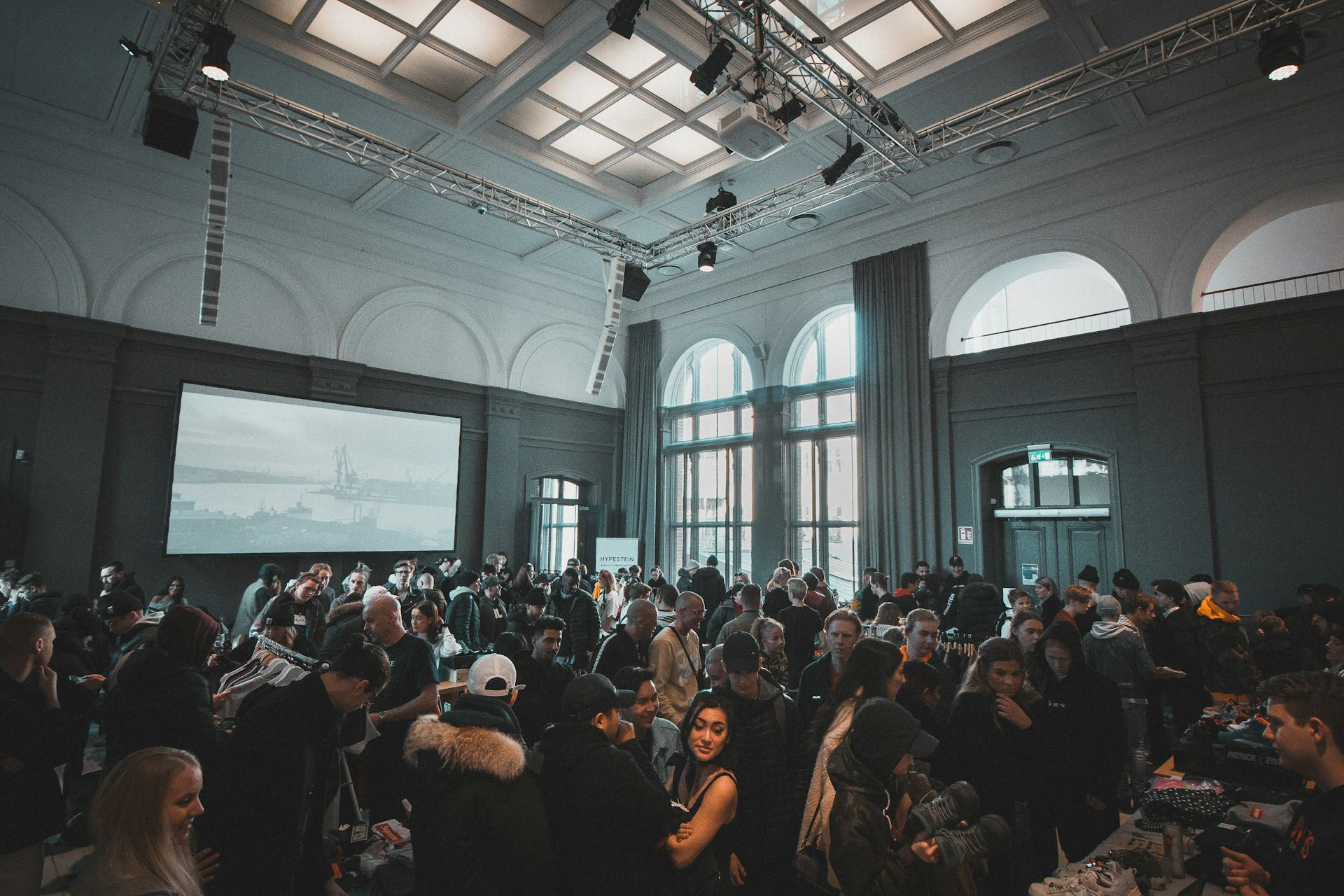
An event is more than a gathering—it’s an experience that can leave a lasting impression and deepen the connection between a brand and its audience. In a world where consumers are constantly bombarded with messages, it’s the experiences that feel authentic, intentional, and sensory that truly stand out. Design plays a crucial role in shaping those experiences. It’s not just about aesthetics—it’s about creating coherence between form, function, and feeling, so that the brand’s identity is felt in every detail, from the invitation to the atmosphere on-site.
Design as a Strategic Tool
When planning an event, design is often the first thing attendees encounter—and the last thing they remember. A well-crafted visual identity can communicate a brand’s values more effectively than words alone. Color, texture, lighting, and sound work together to create an atmosphere that reinforces the message you want to convey.
A sleek, minimalist design with neutral tones can signal professionalism and calm, while a bold, colorful approach can evoke energy and openness. The key is authenticity: the design should reflect the brand’s personality and speak to the audience in a way that feels genuine.
The Holistic Experience – From Invitation to Afterglow
An event begins long before guests walk through the door. The digital invitation, registration page, and pre-event communication are all part of the experience. Design can be used here to build anticipation and recognition. When attendees arrive, they should immediately feel that they’ve stepped into the brand’s world.
This might be achieved through a welcome area featuring the brand’s colors and visual elements, through scent, music, or interactive installations that invite participation. Even small details—like signage, menus, or gift bags—can reinforce the overall impression.
After the event, design continues to play a role in follow-up communications: thank-you emails, photo galleries, and social media sharing. In this way, the experience is extended and anchored in the participant’s memory.
Læs også:

Sensory Design and Storytelling
Strong event design goes beyond visuals—it engages the senses and tells a story that participants can connect with. When design supports a clear narrative, the experience becomes meaningful.
A brand focused on sustainability, for example, might use recycled materials, natural colors, and greenery in its setup. A tech brand might create a futuristic atmosphere with dynamic lighting, soundscapes, and interactive screens. The goal is to translate the brand’s core values into a physical experience where attendees don’t just see but feel what the brand stands for.
The Interaction Between Design and Behavior
Design influences how people move, interact, and feel within a space. Effective event design considers flow, orientation, and social zones. Where do people naturally gather? Where do conversations happen? How can you balance energy and calm?
By viewing design as part of the social dynamic, you can foster the relationships the event is meant to strengthen—both among attendees and between attendees and the brand. This is where design becomes a strategic tool, not just an aesthetic choice.
From Experience to Relationship
When design succeeds, the event becomes more than a one-time experience—it becomes a memory that ties the participant closer to the brand. It’s about creating emotional resonance: a mood, a moment, or a detail that lingers.
Ultimately, it’s not the grand gestures but the cohesive whole that makes the difference. An impactful event is one where design doesn’t just decorate—it tells a story, builds connections, and embeds the brand’s identity in the experience.
Læs også: