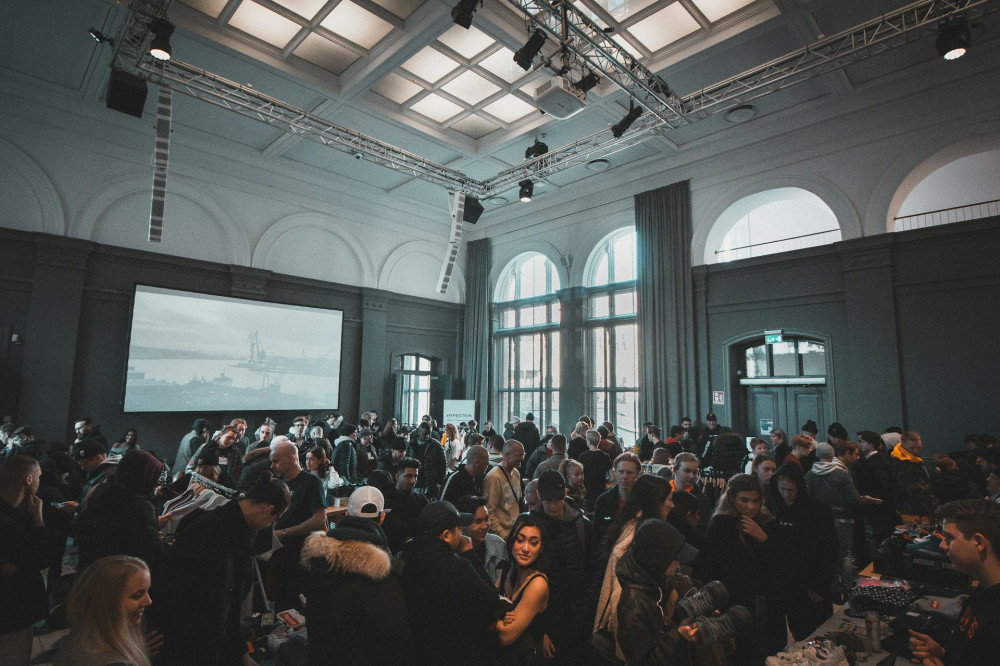
Turn Participants into Co‑Creators: Create Interactive Sessions that Engage


Turn Participants into Co‑Creators: Create Interactive Sessions that Engage
When you plan a workshop, conference, or training session, it’s easy to default to presentations and lectures. But if you want genuine engagement, you need to give participants an active role. Interactive sessions—where people contribute, discuss, and create together—lead to deeper learning, stronger connections, and experiences that stick. Here’s how you can turn your participants into co‑creators, whether you’re hosting an in‑person, virtual, or hybrid event.
From Audience to Co‑Creator
Traditional presentations have their place, but they can quickly become one‑way communication. When participants only listen, energy drops and retention suffers. By involving them actively, you shift the dynamic: they become co‑creators of the content.
That can be as simple as inviting participants to share experiences in small groups, vote on discussion topics, or contribute ideas that are collected and discussed together. The key is giving them ownership of the process—and, in turn, of the outcome.
Set the Stage for Participation
Interactivity doesn’t happen by accident. It requires clear structure and a facilitator who guides the process. Start by defining what you want participants to contribute: Do you want them to share knowledge, generate ideas, solve problems, or provide feedback?
Then choose the format that fits best:
- Small‑group discussions – brief conversations where participants reflect on a question and share insights with the larger group.
- Live polls – use tools like Slido, Poll Everywhere, or Mentimeter to take the pulse of the room.
- Case challenges – have participants work on real‑world problems and present their solutions.
- Walk‑and‑talks – get people moving and talking; physical movement sparks energy and creativity.
- Idea walls or digital whiteboards – collect input visually so everyone can see how contributions shape the whole.
When planning, make sure to include time for reflection and debriefing. That’s where learning takes root.
Let Technology Work for You
Digital tools can be powerful allies in creating interaction—even in physical spaces. Online polls, chat functions, and collaboration platforms make it easier for everyone to participate, including those who are less comfortable speaking up.
For hybrid or virtual events, technology is essential. Use breakout rooms for small‑group work, virtual whiteboards for brainstorming, and chat features to gather questions. The key is to let technology serve the purpose of engagement—not become the focus itself.
Læs også:



Build Trust and Energy
For participants to contribute, they need to feel safe. Start with a light, informal activity that gets people talking. It could be a quick icebreaker, a simple question everyone can answer, or a short exercise that brings out smiles.
As a facilitator, your role is to create an atmosphere where every voice matters. Acknowledge contributions and make sure no one dominates the conversation. When participants see that their input is valued, engagement naturally grows.
Make Results Visible
One of the strongest motivators for participation is seeing that contributions make a difference. Summarize the ideas and insights that emerge during the session—visually, in a shared document, or through a brief presentation at the end.
After the event, send a follow‑up that shows how participants’ input will be used. This reinforces a sense of shared ownership and increases the likelihood that they’ll return for future sessions.
From Presentation to Community
When you turn participants into co‑creators, you don’t just change the format of your event—you transform the experience. It’s no longer about delivering information; it’s about building a community where knowledge is shared, developed, and applied together.
Interactive sessions take a bit more preparation, but the payoff is worth it: engaged participants, stronger relationships, and results that last long after the event ends.
Læs også: