Make It Easy to Get Around: Warehouse Layouts That Help New Employees Get Off to a Great Start

Make It Easy to Get Around: Warehouse Layouts That Help New Employees Get Off to a Great Start
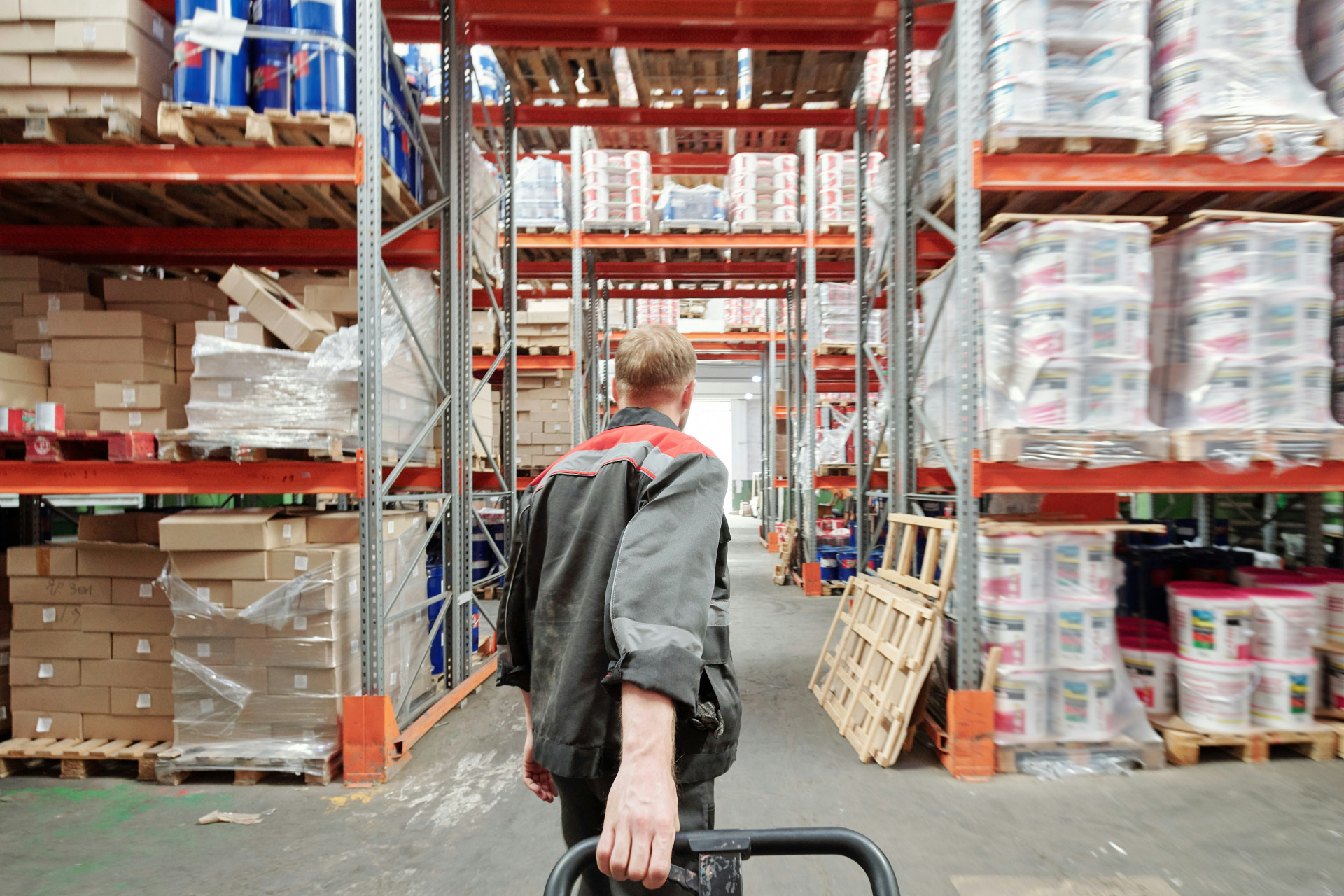
An efficient warehouse layout isn’t just about maximizing space—it’s about setting people up for success. When new employees start, a clear and well-organized layout can make the difference between a confusing first week and a confident, productive start. A smart design helps them understand the workflow, locate products quickly, and avoid mistakes. Here’s how to create a warehouse layout that helps new team members hit the ground running.
Think in Flow – From Receiving to Shipping
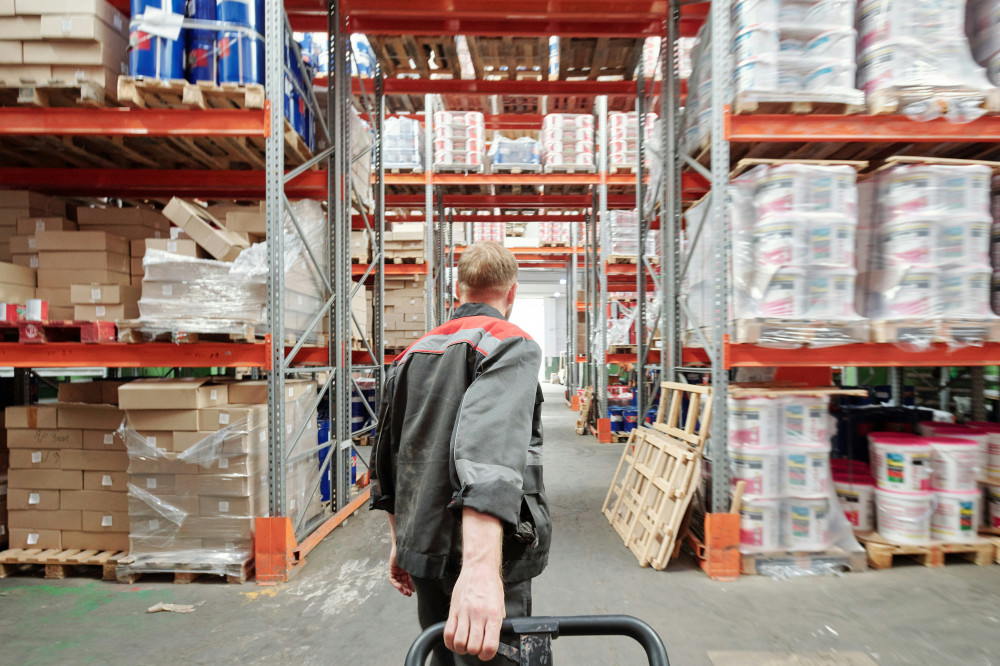
A warehouse works best when goods move in a natural, logical direction. Start by mapping out your key processes: receiving, storage, picking, packing, and shipping. Arrange these areas so they follow one another in sequence. This minimizes unnecessary backtracking and confusion.
A clear flow helps new employees understand where they are in the process at any given time. Use arrows, color-coded floor markings, or signage to show direction. Visual cues make navigation intuitive and reduce the risk of misplaced items.
Create Clear Zoning
Every warehouse benefits from well-defined zones that reflect function and product type. You might have zones for small parts, bulk items, returns, or hazardous materials. When zones are clearly marked—both physically and digitally—it’s easier for new employees to orient themselves.
- Color codes on racks, floors, and signs help distinguish areas.
- Numbering and lettering systems make it simple to locate specific shelves or bins.
- Maps and digital layouts at entry points or on handheld devices provide quick overviews.
The more intuitive your system, the faster new employees can navigate independently.
Make Information Visible
A good layout is supported by clear communication. Signs, icons, and digital displays can show where items belong and what procedures apply. This saves time and reduces the need for constant supervision.
Consider using visual instructions—for example, photos of properly stacked pallets or labeled boxes—rather than long text descriptions. This approach is especially helpful in diverse workplaces where employees may speak different languages.
Build in Ergonomics and Safety
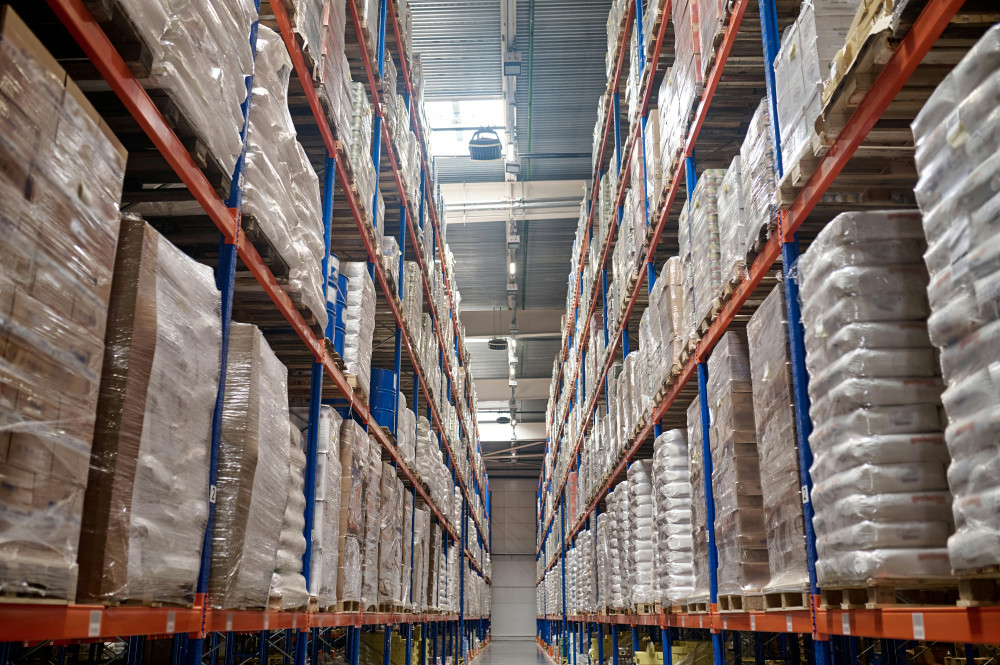
A layout that supports natural movement reduces fatigue and the risk of injury. Store heavy items at waist height to avoid lifting from the floor or overhead. Keep aisles wide enough for both people and equipment to move safely.
Safety markings, pedestrian walkways, and clearly visible emergency exits aren’t just OSHA requirements—they also help new employees feel secure. When safety is built into the environment, it’s easier for everyone to follow the rules.
Læs også:

Use Technology as a Guide
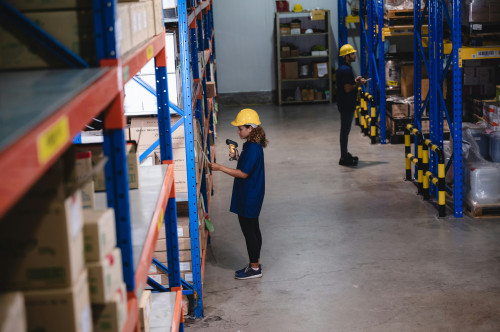
Digital tools can make navigation even easier. A warehouse management system (WMS) can display exact locations, suggest optimal pick routes, and provide real-time updates. For new employees, that means less guesswork and faster independence.
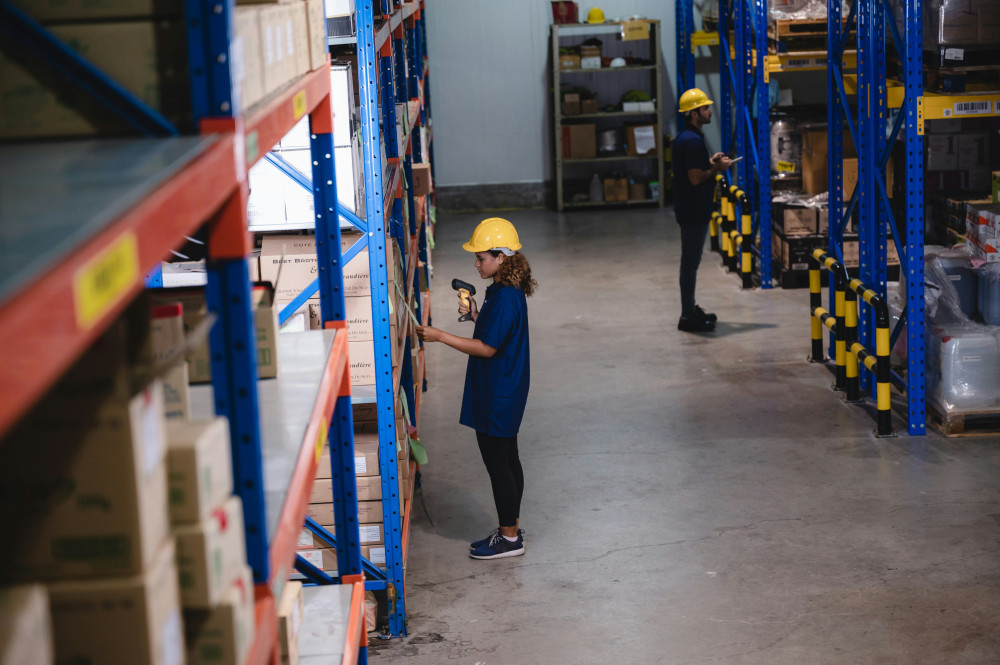
Tablet-based maps, QR codes on racks, or voice-directed picking systems can all support training. These tools reduce the need to memorize complex layouts and shorten the learning curve.
Involve Employees in the Design
The best layout ideas often come from the people who use the space every day. Ask experienced employees where bottlenecks occur and how new hires could be better supported. Small adjustments—like moving a packing station or reordering zones—can make a big difference.
When employees feel ownership of the layout, they’re more likely to help maintain it and guide new team members effectively.
A Layout That Teaches
A great warehouse layout is more than a physical structure—it’s a learning tool. When the design is logical, clear, and safe, it becomes part of the onboarding process. New employees can find their footing quickly, and the company saves time on training and error correction.
A warehouse that’s easy to navigate is one where both people and products move efficiently. It creates a smoother workday for everyone—and a faster path to full productivity.
Læs også: