Plan with Space: How to Ensure Flexibility in Warehouse Capacity

Plan with Space: How to Ensure Flexibility in Warehouse Capacity
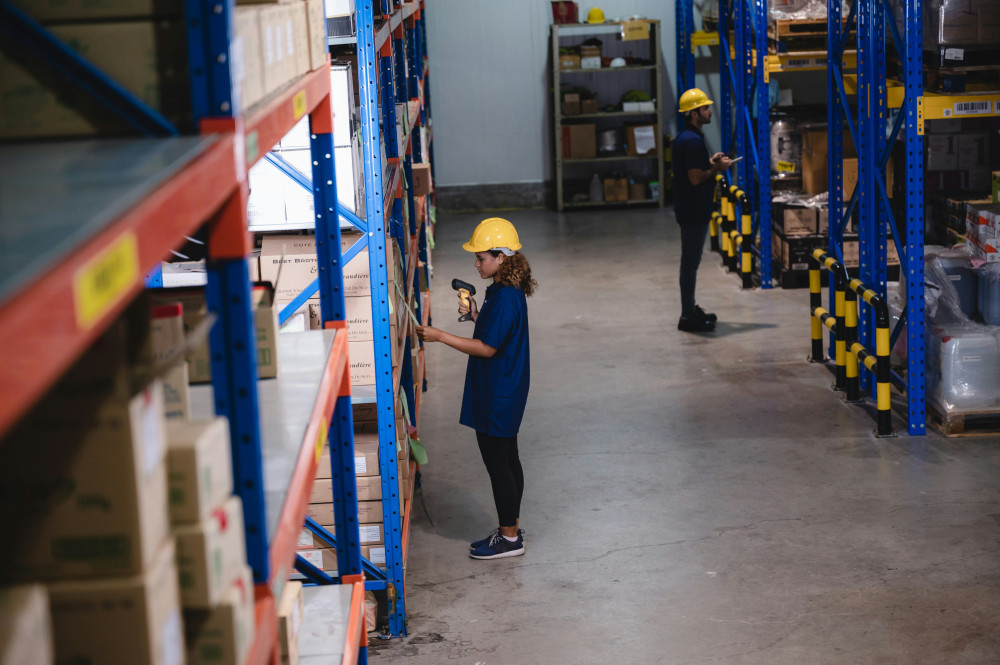
A warehouse is rarely static. Demand fluctuates, new products are introduced, and seasonal peaks can dramatically change space requirements. That’s why flexibility in warehouse capacity is one of the most important factors for efficient and future-ready logistics. Whether you operate a small e-commerce warehouse or a large distribution center, smart planning can save time, money, and frustration. Here’s how to plan with space—and ensure your warehouse can adapt to change.
Know Your Needs—and Your Fluctuations
The first step toward flexibility is understanding how your warehouse is actually used. Many companies only realize they’re short on space when pallets start blocking the aisles. A thorough analysis of warehouse data can reveal when and why capacity needs shift.
- Seasonal peaks: Do you experience surges before holidays, during promotions, or in specific quarters?
- Product life cycles: How long do items typically stay in storage before shipping?
- Product types: Do some goods require special conditions—such as refrigeration, security, or extra handling space?
By mapping these patterns, you can plan for variation—not just for the average.
Design the Warehouse with Flexibility in Mind
A flexible warehouse isn’t just about square footage—it’s about how that space is used. Smart design choices make it easier to scale up or down without major investments.
- Modular shelving systems: Adjustable racks allow you to reconfigure layouts as your product mix changes.
- Mobile zones: Use movable shelving or temporary markings to create extra picking areas during busy periods.
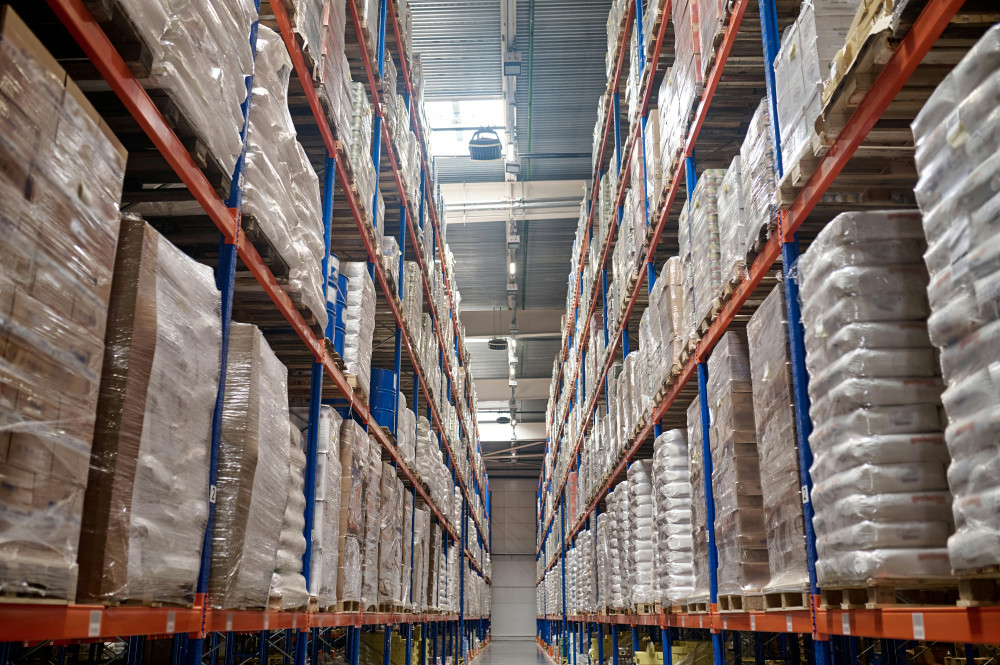
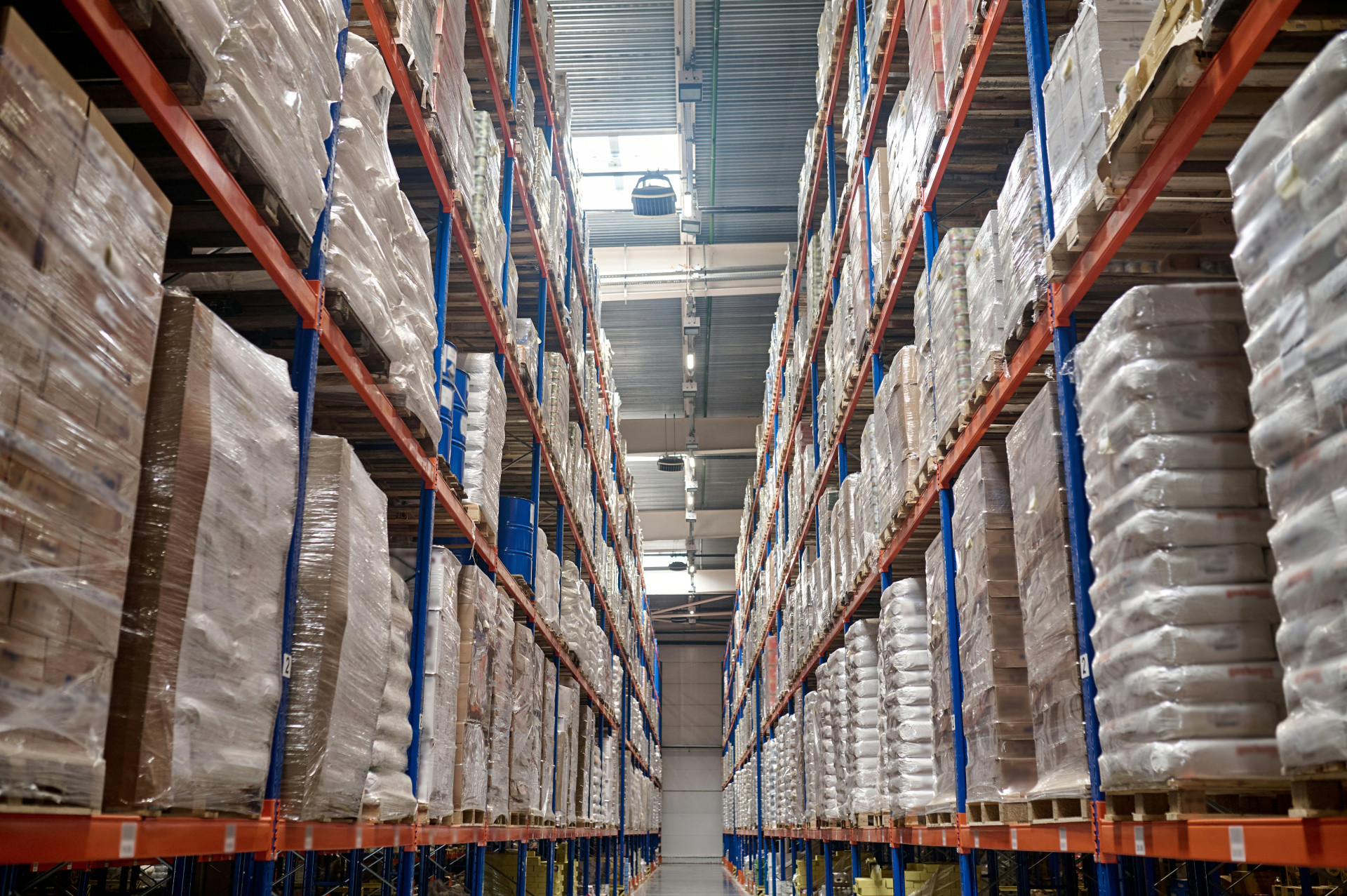
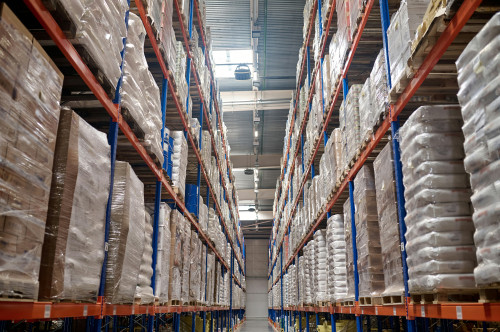
- Vertical utilization: Consider mezzanines or high-bay storage if you’re short on floor space but have ceiling height to spare.
A flexible layout helps you respond quickly to changing needs—without starting from scratch.
Use Data to Predict and Plan
Digital tools can be a major asset when balancing warehouse capacity. A modern Warehouse Management System (WMS) provides insight into how space is used and where bottlenecks occur.
By combining historical data with sales forecasts, you can predict when extra capacity will be needed—and plan ahead. This allows you to:
- Order additional racks or containers before the crunch hits.
- Adjust staffing levels based on expected activity.
- Avoid overcrowded warehouses that slow down operations.
Data creates visibility—and visibility creates flexibility.
Consider External Solutions as a Buffer
Even with the best planning, there will be times when space runs short. Instead of cramming everything into existing square footage, external solutions can serve as a flexible buffer.
- Short-term warehouse rentals: Many logistics providers offer temporary storage space that can be activated as needed.
- 3PL partnerships: A third-party logistics provider can handle parts of your inventory—such as seasonal or promotional items—freeing up internal capacity.
- Container storage: Temporary containers can be used for non-sensitive goods during short-term peaks.
The key is to have a plan for scaling up quickly—without compromising efficiency or safety.
Build Flexibility into Processes, Not Just Space
Flexibility isn’t only about physical space—it’s also about people and processes. A warehouse that can adapt requires employees who can work across functions and workflows that can shift without major disruption.
- Cross-train employees so they can move where demand is highest.
- Standardize processes so layout or volume changes don’t require extensive retraining.
- Leverage scalable technology such as scanners, automation, and robotics that can expand or contract with demand.
When space, equipment, and people can all adapt, your operation becomes far more resilient.
Think Long-Term—but Plan for Change
Flexibility doesn’t mean improvisation. It takes planning to be able to pivot quickly. Start thinking now about how your warehouse can grow—or shrink—as your business evolves.
Create scenarios for different developments: What happens if sales double? If you expand your product range? Or if returns increase significantly? By planning for possibilities rather than limitations, you can build a warehouse that works not only today but also tomorrow.
Læs også:


A Warehouse That Breathes with the Business
A flexible warehouse is like a living part of your business—it needs to breathe, expand, and contract as needed. When you plan with space, you create not just efficiency but resilience. That means smoother operations, better use of resources, and an organization ready to respond when the market shifts.
Læs også: